Explore Nature Around the World-Virtually!
Wish you were traveling? Looking for future travel ideas?
From exotic places like Africa and Madagascar, Australia, New Zealand, Indonesia, Palau or the Maldives, to
Europe, Canada or US locations such as Alaska or the Southwest, explore nature around the world!
“Joy’s talks are entertaining and informative. I learned so much and her photos were amazing!”-Donna
Africa/Madagascar
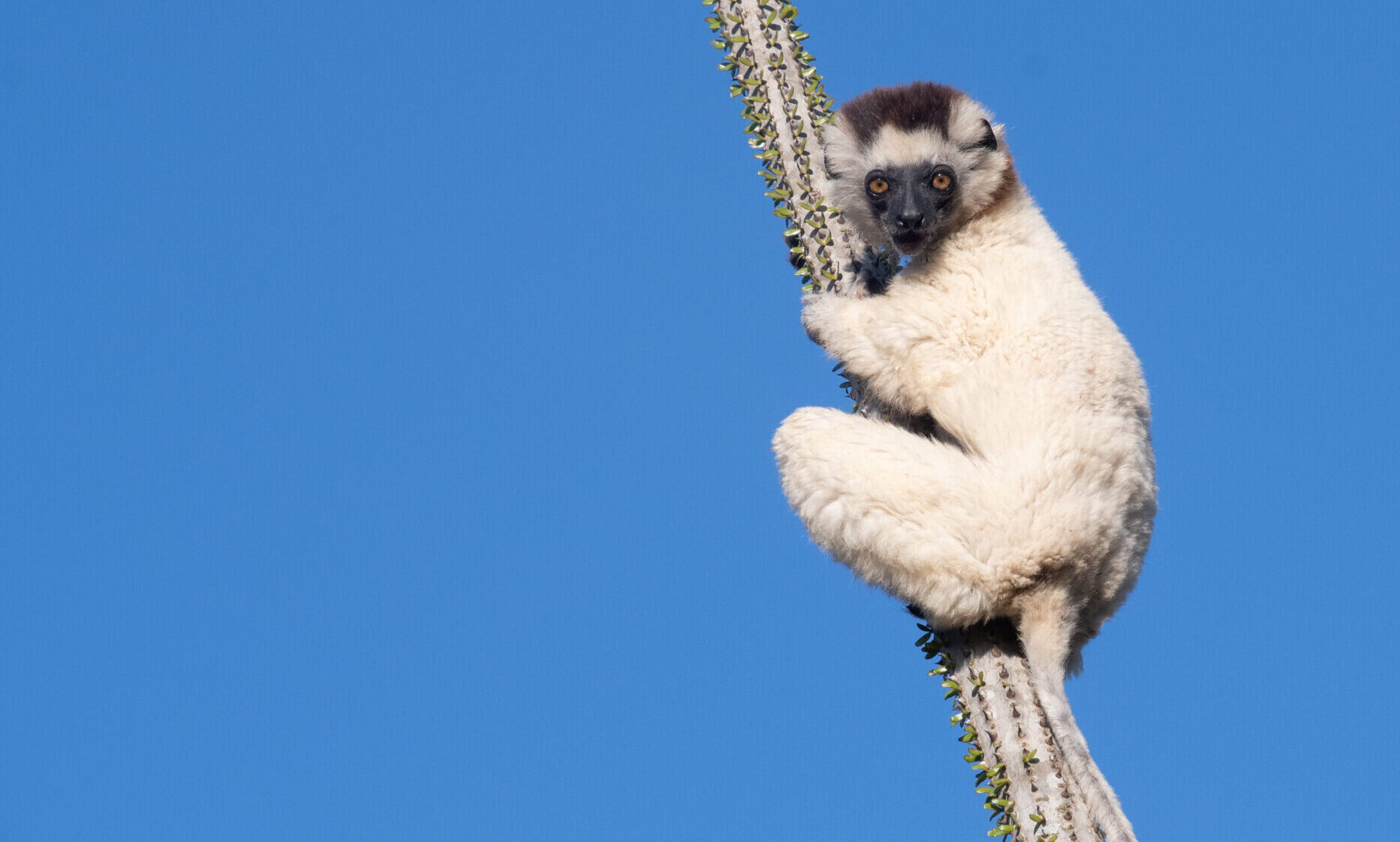
Madagascar’s Dry and Spiny Forests: Land of the Dancing Sifaka
The dry deciduous and spiny forests of Southern Madagascar are among the most threatened habitats of this large island and both are found at the Berenty Reserve. Here charismatic ring-tailed lemurs, including females with babies, can be seen grooming and interacting with other members of the family. Large birds like the giant coua might be seen on the ground, while chameleons hide in the foliage and Madagascar Flying Fox roost above. The spiny forest is also known for the spiky, tentacle-like appearance of the Octopus trees. Lemurs can often be seen climbing these tall plants to eat the leaves, a good source of water. Verreaux’s sifaka are some of the most fun to watch as they climb from tree to tree snacking along the way. When trees are too far apart to jump, they come down and “dance” on their their hind legs to get to the next group of trees. Discover the many wonders of these unparalleled and endangered habitats.
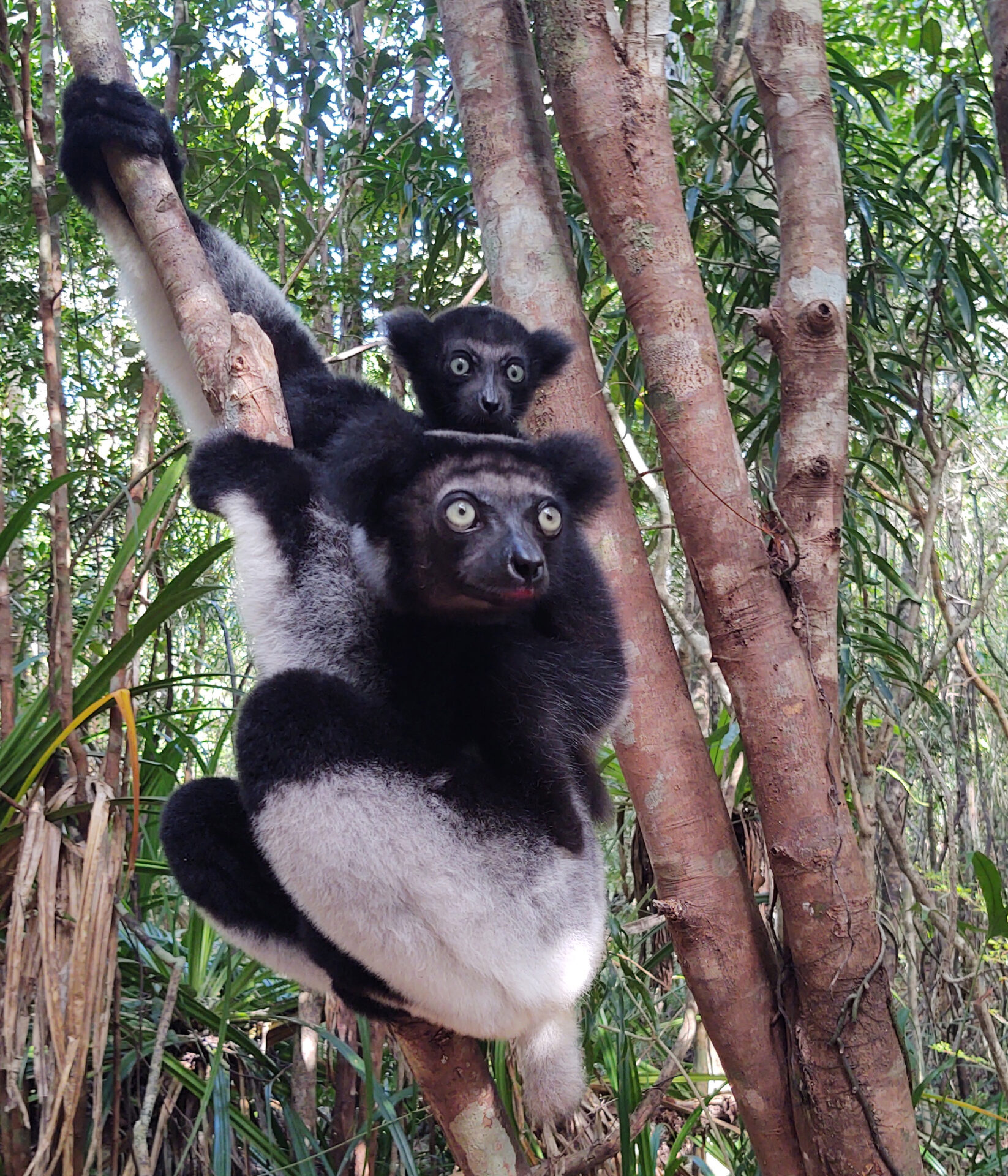
Madagascar’s Rainforest: Home of the Singing Indri
The island of Madagascar is home to a wide variety of wildlife found nowhere else in the world. Despite widespread deforestation, some of the Eastern rainforests have been protected. Near Mantadia National Park one might easily miss seeing cryptic chameleons and leaf-tailed geckos, or nocturnal birds like the rainforest scops owl and nightjars. Beautiful butterflies, and strange insects like the giraffe-necked weevil, can be found here along with tree climbing mammals such as the bamboo and black-and-white ruffed lemurs, and the elusive and critically endangered diademed sifaka. Above all, the beautiful indri, known as the singing lemurs, can often be heard as their songs echo through the valley. Along the East coast one can see colorful Madagascar green sunbirds, and both crowned and black lemurs. This is also one of the few places where one can see the elusive and bizarre looking Aye-Aye that uses its long middle finger to find grubs under bark.
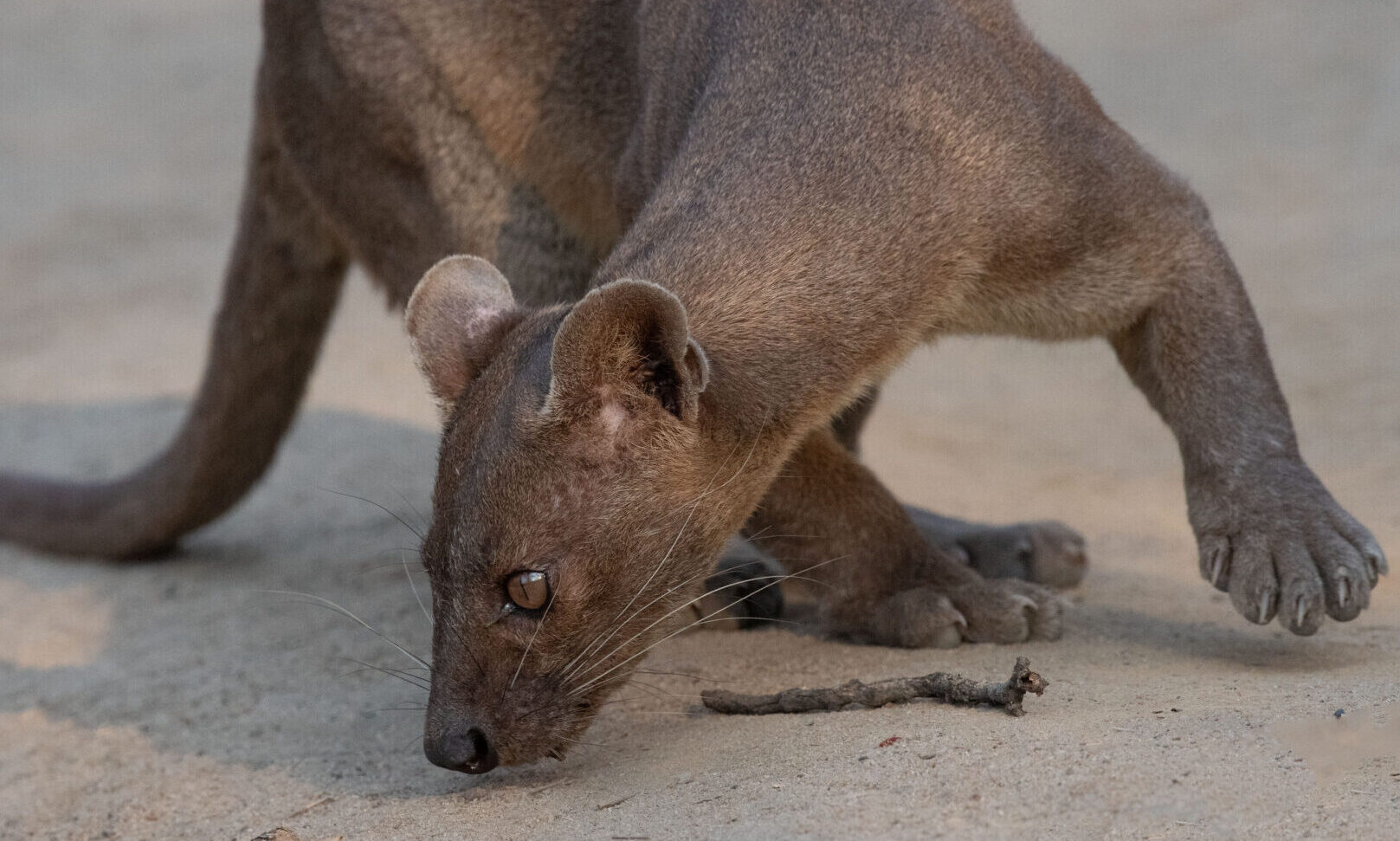
Madagascar, a Land Like No Other: History, Baobabs and the Home of the Fosa
In Antananarivo, area hills reveal the remnants of a past monarchy, just a part of a long, complicated history from ancient times up to the recent coup. Now, modern buildings overshadow a small lake reserve that shelters wading birds and ducks. To the West, the contrast is dramatic with towering trees of the Avenue of the Baobabs that eclipse nearby scrubland and neighboring villages. The Kirindy Forest Preserve is one of the few remaining dry forests of the West. These rare forests are home to red-fronted brown and red-tailed sportive lemurs, as well as the rare narrow-striped mongoose and unique fossa, the largest mammalian carnivore in Madagascar. A hole in a tree might even reveal a white browed owl or a tiny mouse lemur. In the branches, stunning sunbirds or flycatchers find perches while cryptic chameleons hide in plain sight. Learn more about the history, culture and some of the unique and rare wildlife of this island country.

Beyond Kilimanjaro: From Elephants to Sunbirds
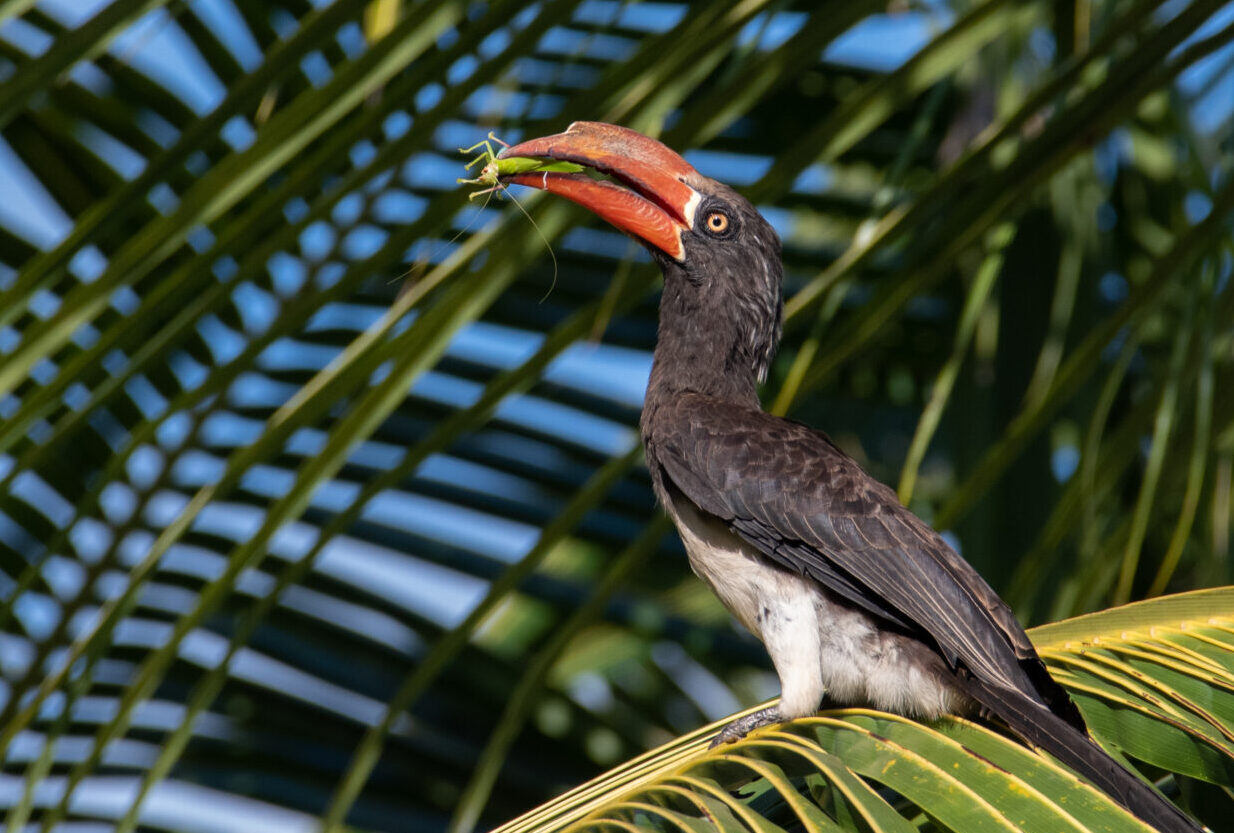
While many visitors travel to Tanzania to climb Mount Kilimanjaro, nearby one can also see Mount Meru. The elevation of Arusha National Park creates a varied habitat and cooler climate leading to a huge diversity of wildlife. In the trees, primates like baboons, blue monkeys and the striking black and white colobus can sometimes be found. Flowers on trees and shrubs bring spectacular butterflies and tiny nectar drinking sunbirds, while large hornbills can be seen perching in branches overhead. Elephants and giraffes may also be found grazing among the trees, shrubs and grasses. Further west, Lake Manyara is an oasis for life, much of which is protected by a National Park. Here large herds of elephants can be found in and around the forest and lake, while hippos cool themselves in the water. There is so much to be seen beyond Kilimanjaro.
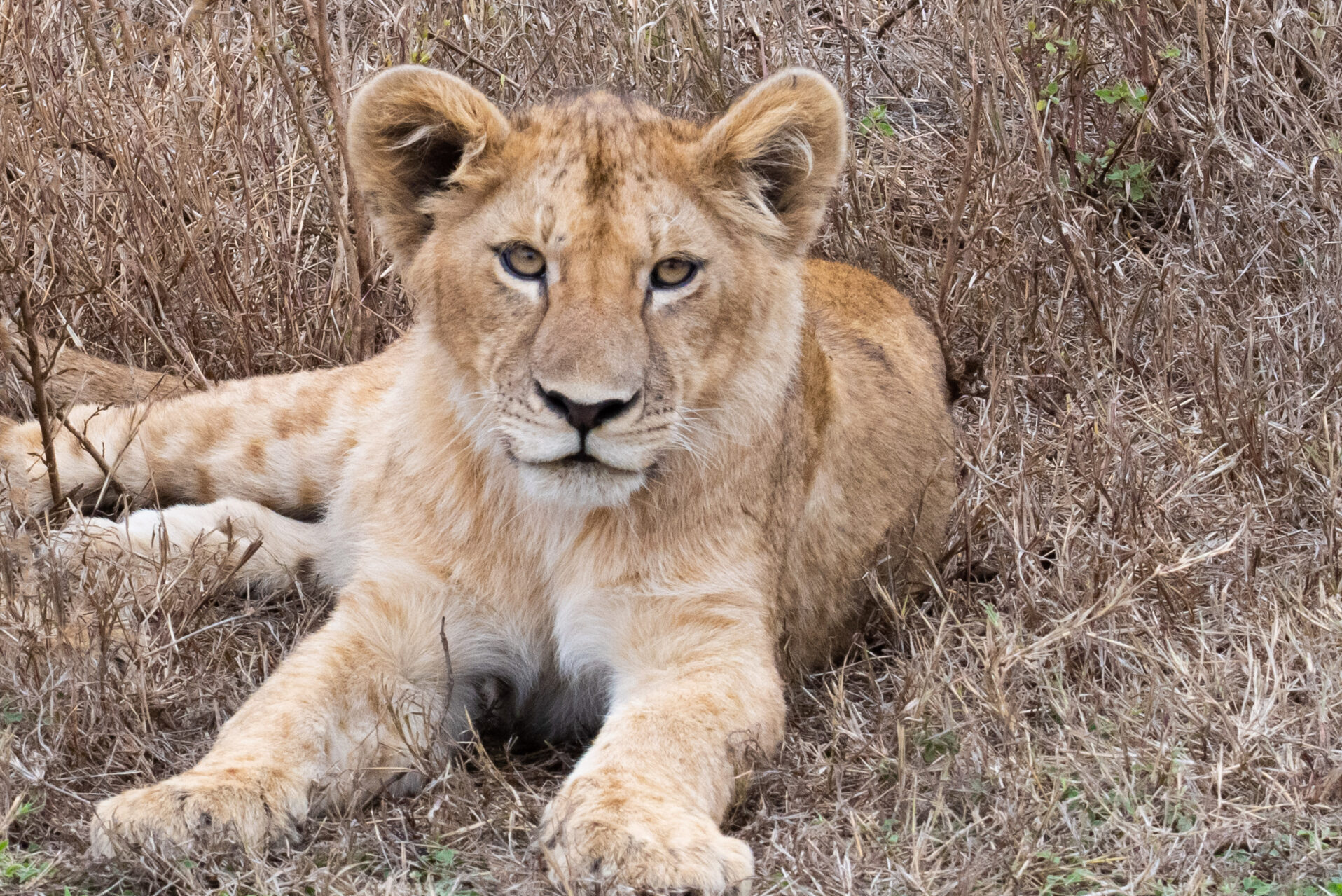
On Safari in Tanzania: Wildlife of Serengeti and Ngorongoro Crater: Lions, Leopards, Rhinos and more
Discover the amazing wildlife of the plains of Ngorongoro Crater and the Serengeti. Prides of lions can be found among the grasses, including large males and mothers with small playful cubs, causing grazers like impala, gazelle, and zebra to gather in herds for protection. Some, like the leopard and rhino, are solitary and a rare and exciting find. In the trees above, weaver birds can be seen constantly working on new nests, while larger birds like the spectacular gray crowned crane and enormous ostrich strut among the grasses. Water draws many animals including hippos, flocks of flamingos and wading birds. In the Serengeti large rocky outcrops dotted with trees create the perfect habitat for small animals like the hyrax, while nearby in the grassland one might see their closest relative, the African elephant. These famous National parks often enable visitors to see the “big five” animals and many more.
Exploring Zanzibar Above and Below
The Islands of Zanzibar, and nearby Pemba, are located just off the coast of the Tanzania mainland. While this area is steeped in history, nature abounds. One can see large animals like enormous Aldabra tortoises, and primates like red colobus and blue monkeys. Bird life varies widely from the tiny endemic Pemba Island sunbird to various kingfishers and even larger hornbills. Along the coast one might see shorebirds and land crabs, while under the sparkling waters is another world. From tiny, colorful fish to huge titan triggerfish and moray eels, the underwater world is equally amazing. Come explore the beauty and natural wonders of these exotic islands.
Asia/Micronesia, Australia and New Zealand

The Beautiful and Unique Nature of Raja Ampat: From Birds of Paradise to Walking Sharks
Raja Ampat is composed of a group of islands in Northern Indonesia, so one of the best ways to explore is by boat. The landscape, both above and below, is strikingly beautiful. Above the water it is home to unique and colorful wildlife, from hornbills and bright red lorikeets to the Red Bird of Paradise with its flamboyant mating display. Below the water, see a huge variation of marine life including the endemic walking shark and enormous cuttlefish that can change color among the corals and roots of the nearby mangroves. Join us for a virtual trip to see the unique scenery and wildlife of these islands.

Palau: The Natural Wonders of the Rock Islands
Located in Micronesia, Palau is a small, but beautiful island nation. While it is difficult to get there, the wildlife, both above and below, make this a special place. Visitors often come to snorkel with the famous stingless jellies of Jellyfish lake, but there is so much more to see. Collared kingfishers, as well as reef and rufous herons, can be seen as they hunt for fish. Whitetailed tropic birds, noddy terns, and even fruit bats, can be seen soaring overhead around the many mushroom shaped islands. Further out in the water, dolphins can be seen playing in the waves, but below the water reveals a huge diversity of life. From giant clams and reef sharks to sea turtles feasting on sponges, there are many big things to see underwater. But don’t forget the small things! In the shallow waters of the sheltered bay, colorful mandarinfish can be seen hiding among small finger coral while in deeper water anemonefish dart in and out of their anemone homes among the many other colorful fish along the coral reef. Join us for images and videos from this tropical island paradise!
Dubai to the Maldives: Travels from Desert to Paradise
A four wheel drive tour and camel ride in the desert, or a visit to the spice market, are just a few local adventures one can experience in Dubai. But don’t forget the desert animals and a bit of history! Camels can be seen grazing in the desert, but smaller animals, like tiny lizards can be harder to find. Wildlife and ancient history make Dubai a unique stop on the way to the underwater paradise of the Maldives.
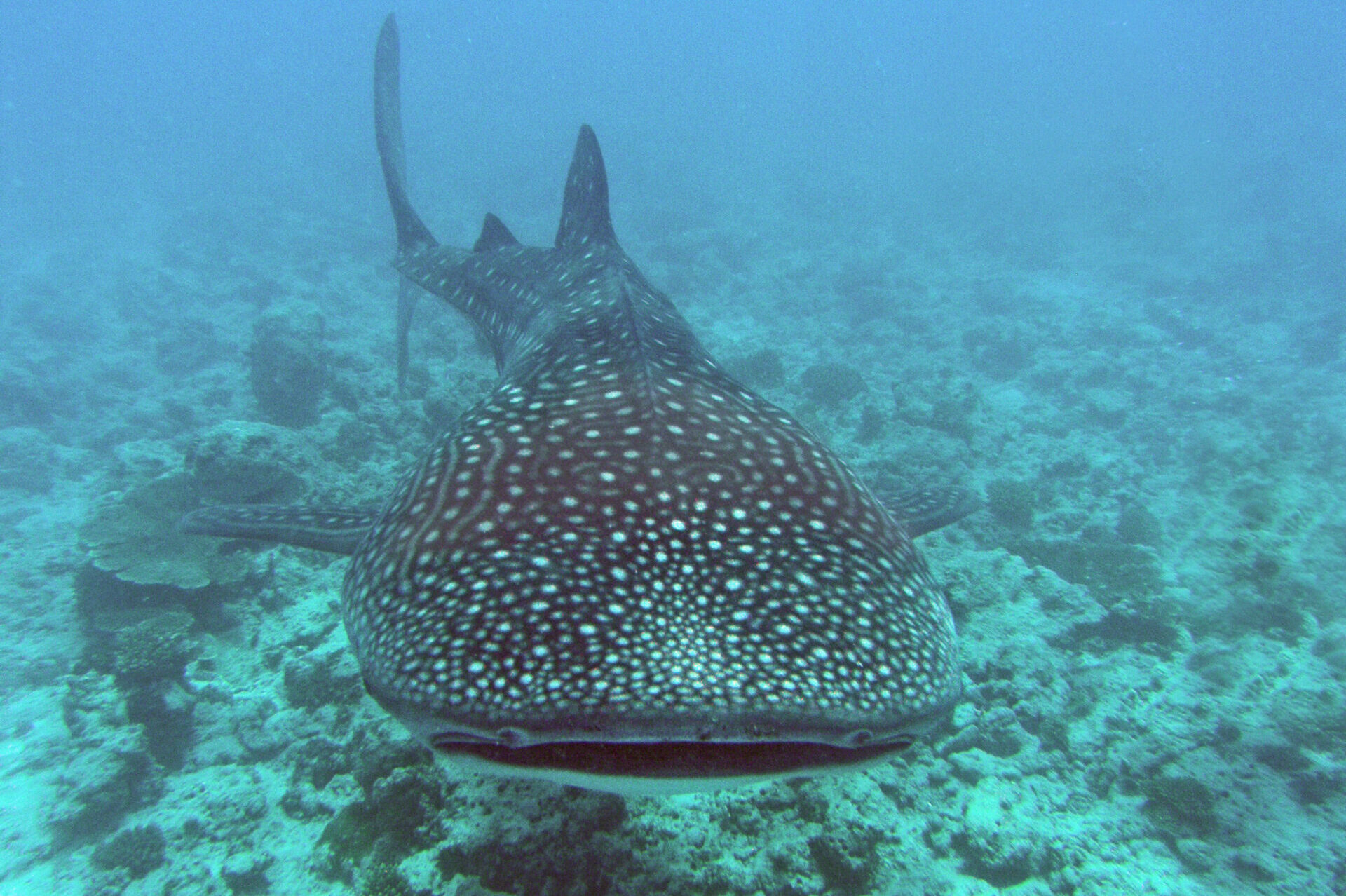
The Maldives is made up of a series of low lying coral atolls in the Indian Ocean, just south of Sri Lanka and India. A lush tropical paradise, it is also known for its amazing marine life. From massive, but harmless, whale sharks to rare hawksbill turtles and tiny beautifully colored fishes, the Maldives has an astounding variety of life to see. Large schools of manta rays, sometimes up to 200 or more in number, are also found near these islands. Join us for scenes of these graceful animals and images of wildlife throughout the Maldives.
Australia: Above and Below
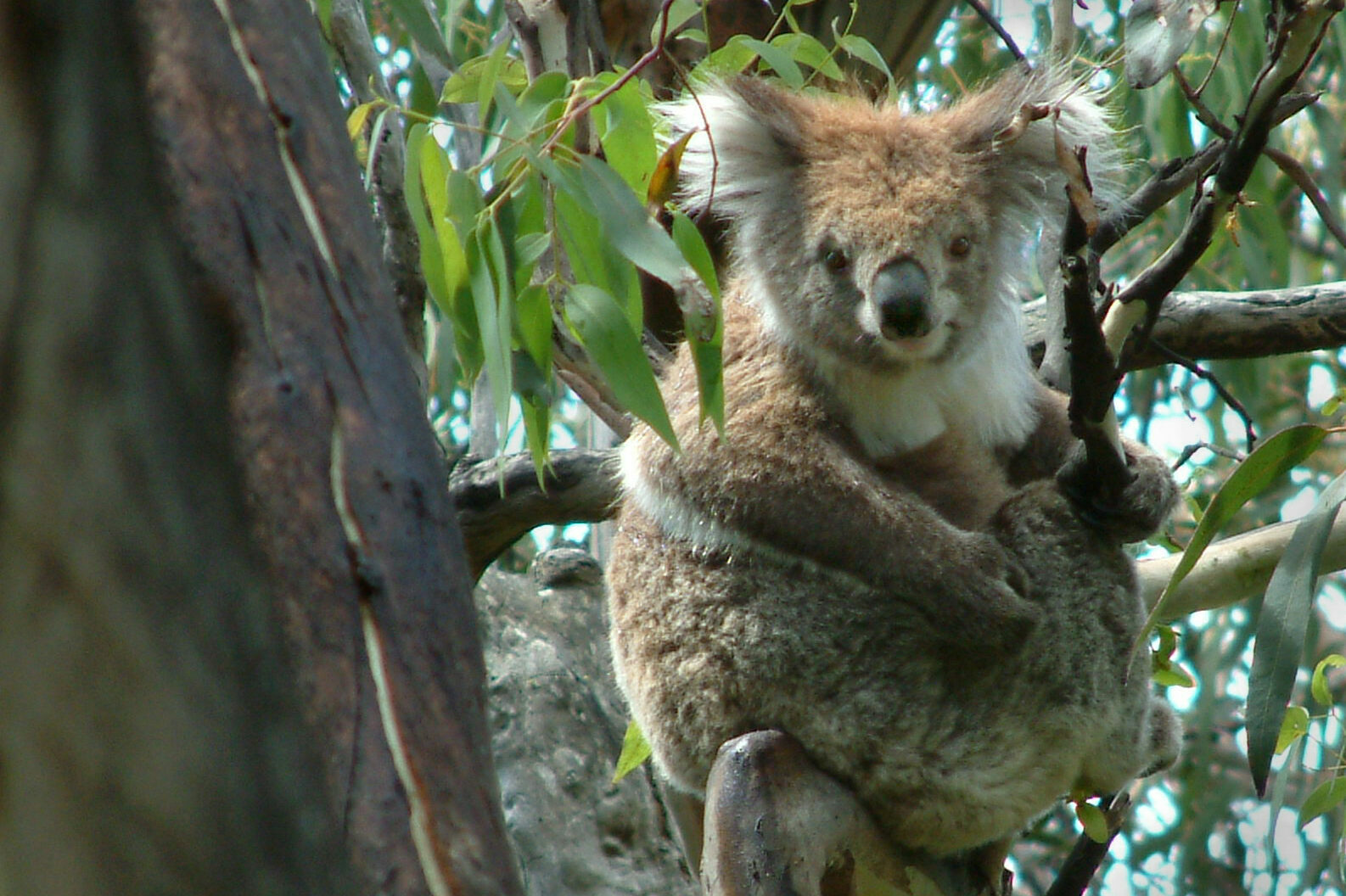
Flying, hopping, crawling, swimming…The wildlife of Australia is truly unique. Tour through the temperate rainforests of Southern Queensland and the tropical rainforests of the Northeast. Enjoy views from above, and then below, as we visit the home of “Nemo” and many other beautiful creatures found on the Great Barrier Reef.
New Zealand: Penguins, Parrots & Pods
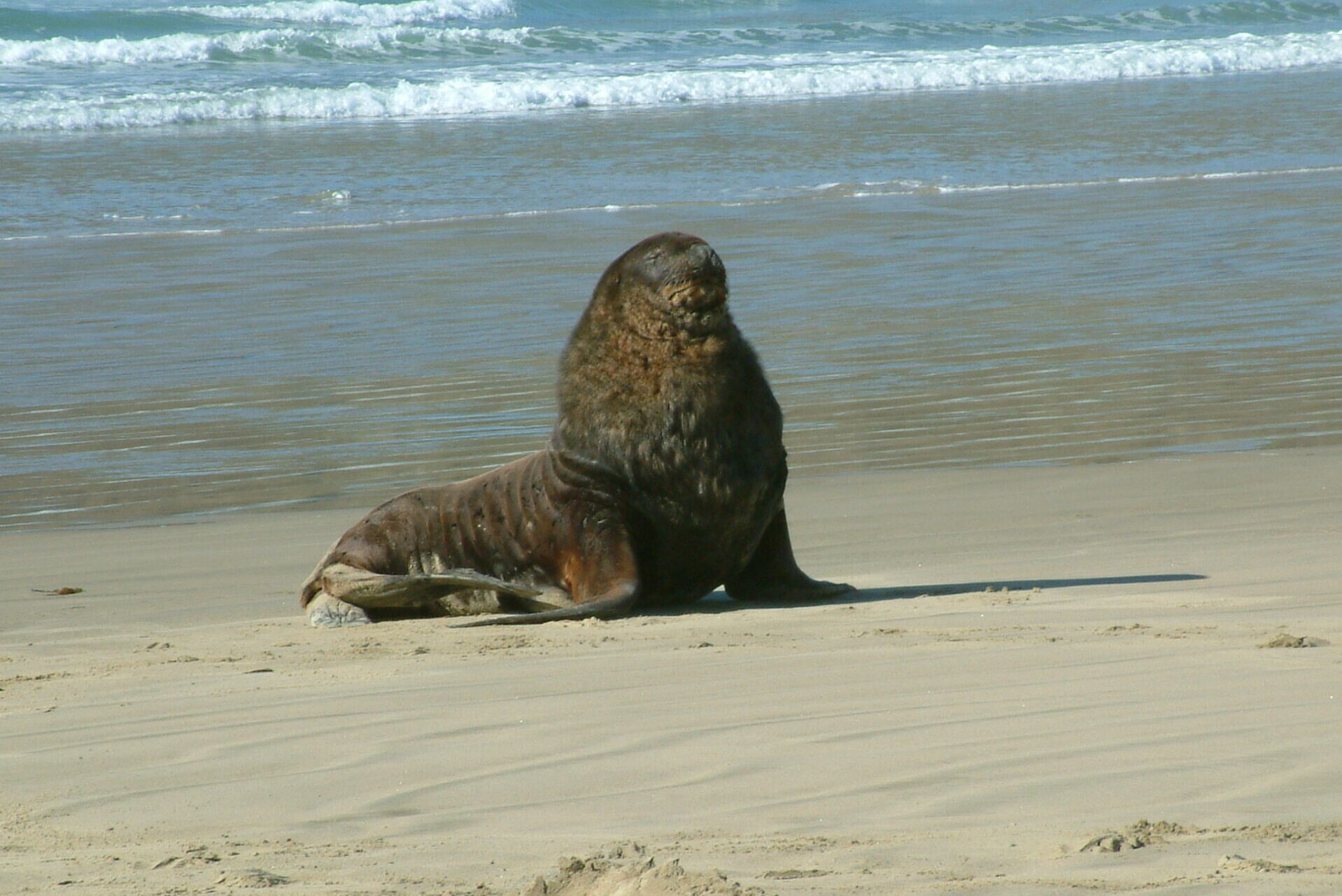
New Zealand is home to many rare birds and marine mammals including the comical yellow-eyed penguin. Watch and listen as the yellow-eyed penguin returns from the ocean to feed its chick and the Antipodes Island parrot demonstrates “looks, personality and talent.” Not to be outdone, rare New Zealand sea lions make quite an impression as they interact on isolated South Island beaches, pods of rare Hector’s dolphins frolic near coastal shores and dusky dolphins play with kayakers as they travel deep into the fiords of southern New Zealand. Join us for sights and sounds of animal personalities from this amazing country.
Caribbean, Central America and Baja Mexico
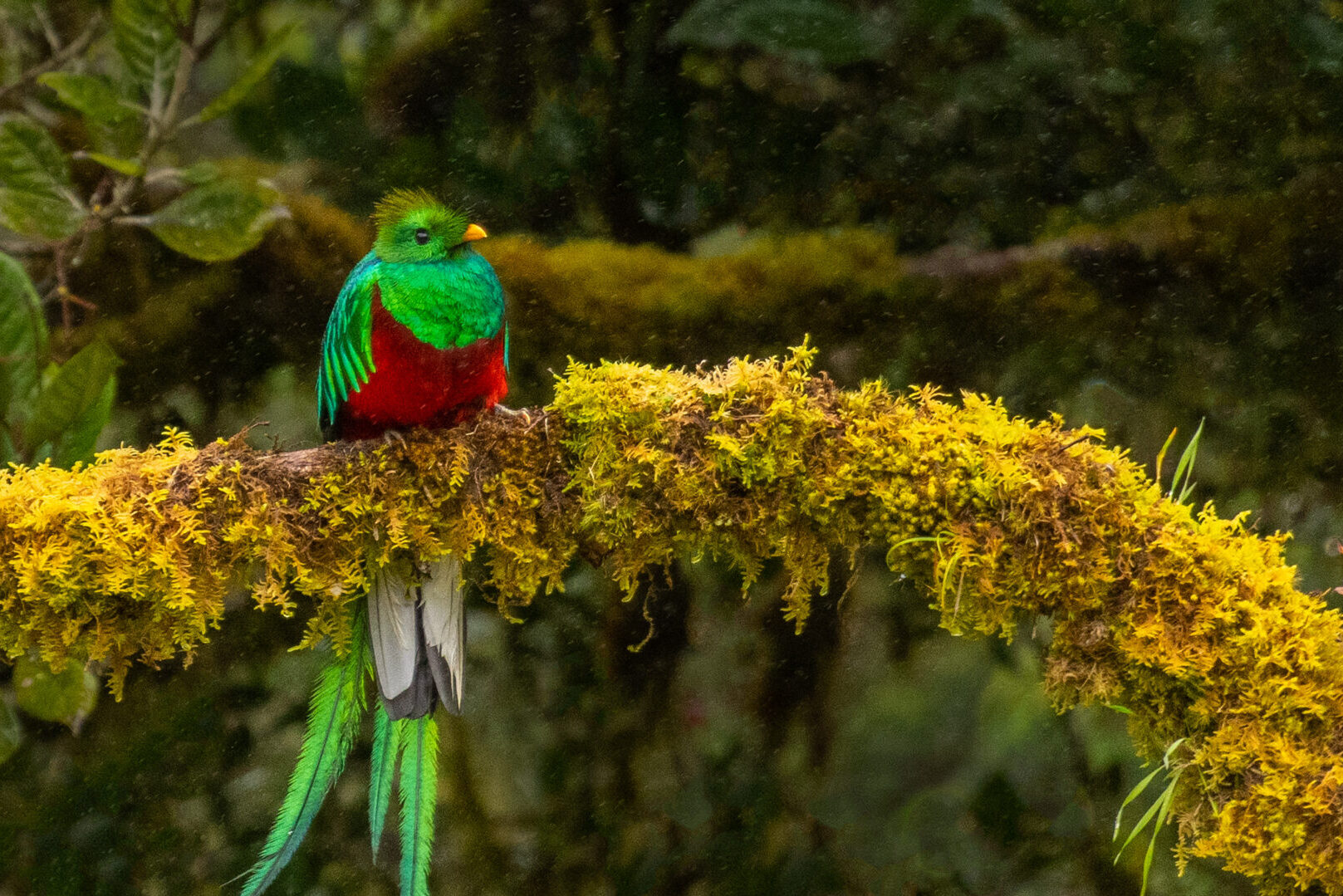
Wildlife of Costa Rica’s Cloud Forests
Costa Rica’s cool cloud forests often appear shrouded in mist and rain in the green season, but this weather is a favorite of the spectacular resplendent quetzal as it emerges to visit avocado trees to feed. Here a wide variety of hummingbirds may be seen from the rare snowcap to the tiny volcano hummingbird. If the sun emerges, the fiery-throated hummingbird can appear to burst into a rainbow of iridescent colors. Despite the cool temperatures and rain, numerous species of birds can be seen during the day while bats emerge at night to feed on flowers in the forest. See some of the amazing diversity of life that can be found in the cloud forests of Costa Rica.
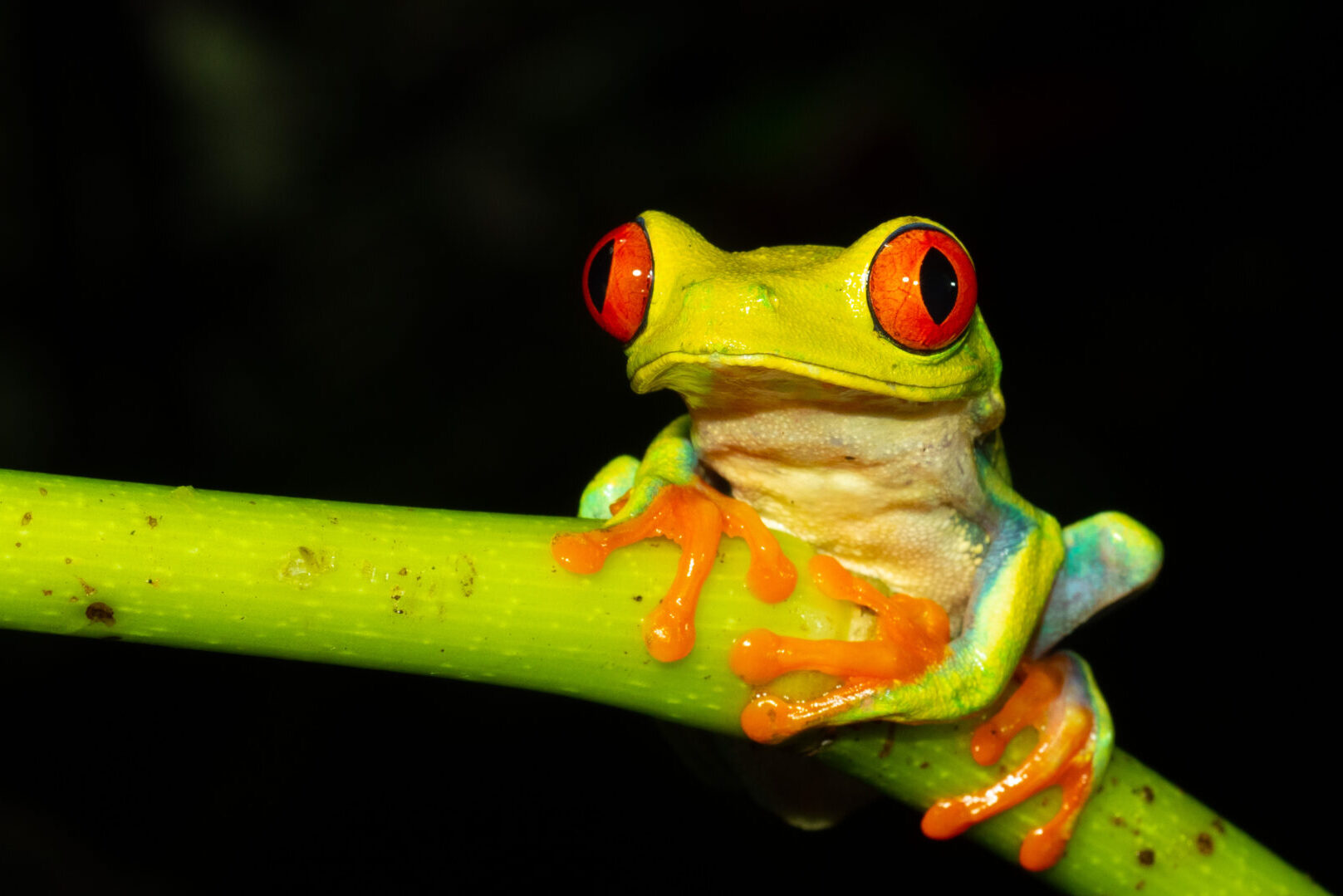
Magical Costa Rica: Exploring the Lowland Rainforest
For such a tiny country, Costa Rica has amazing biodiversity. Bird life in the rainforest varies widely from colorful hummingbirds, honeycreepers and red-capped manakins to large birds like great curassow and scarlet macaws. Curious troops of capuchin monkeys can be found exploring the trees as they look for food. Night brings a chance to see tiny creatures, like poison dart frogs and red eyed tree frogs, well hidden among the foliage. Join us as we explore the wildlife of Costa Rica’s lowland rainforests.
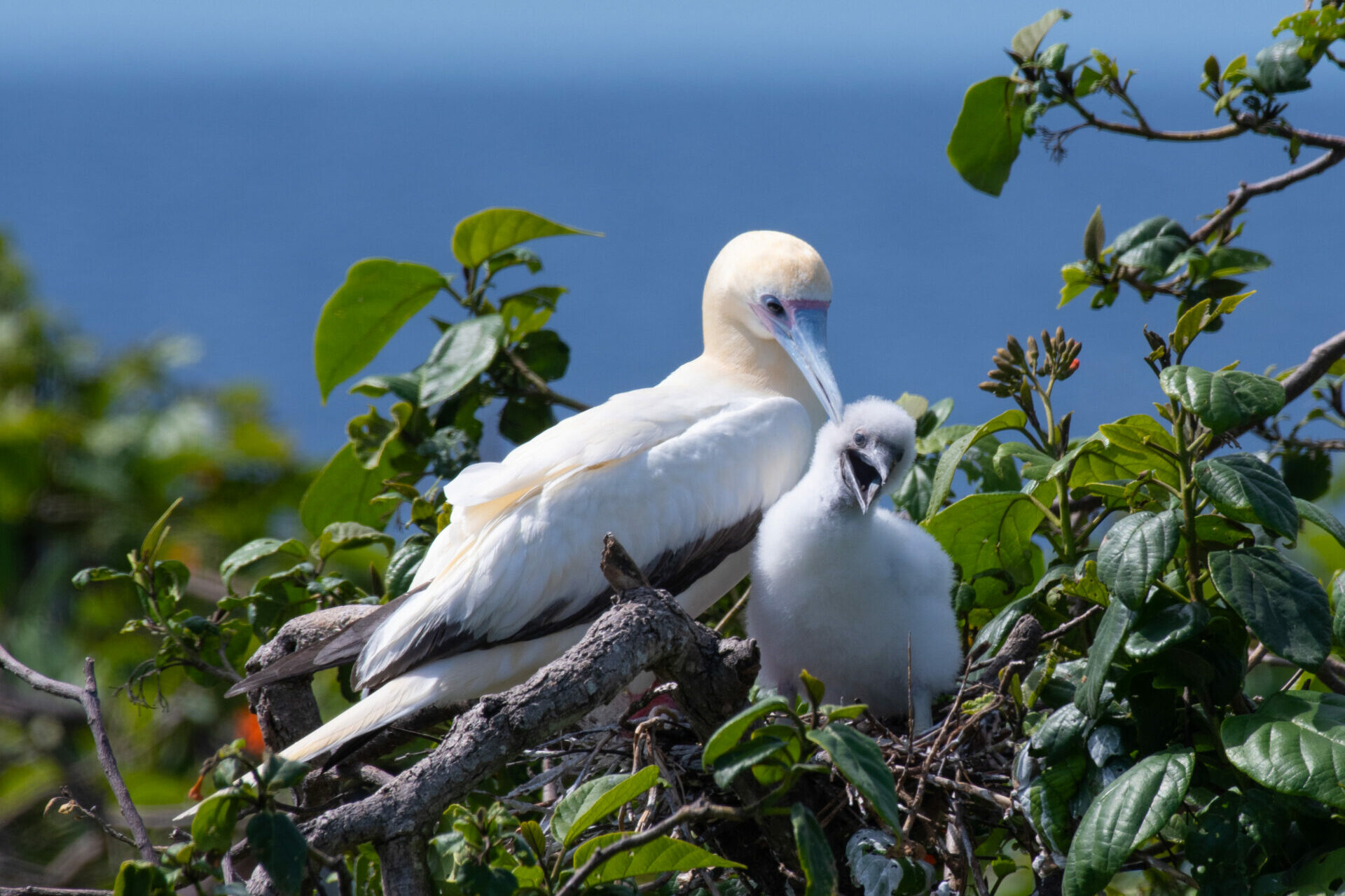
Exotic Turneffe Atoll, Belize
Escape to the exotic nature of this remote tropical island chain off the coast of Belize. Beyond the second largest barrier reef in the world lies Turneffe Atoll. Away from the cruise ships of the mainland soar magnificent frigate birds and red footed boobies. Winter migrants, including warblers and hummingbirds, can also be seen on these remote islands. Some of the locals, such as the golden fronted woodpecker and spiny iguana, can even be seen competing for space on the same tree! From above the water, dolphins can be seen frolicking in the waves while manatees slowly cruise along feeding on sea grasses. Under the crystal clear waters are beautiful scenes of colorful reef fish and corals with even the occasional turtle or spotted eagle ray. Join us for images of this beautiful place.
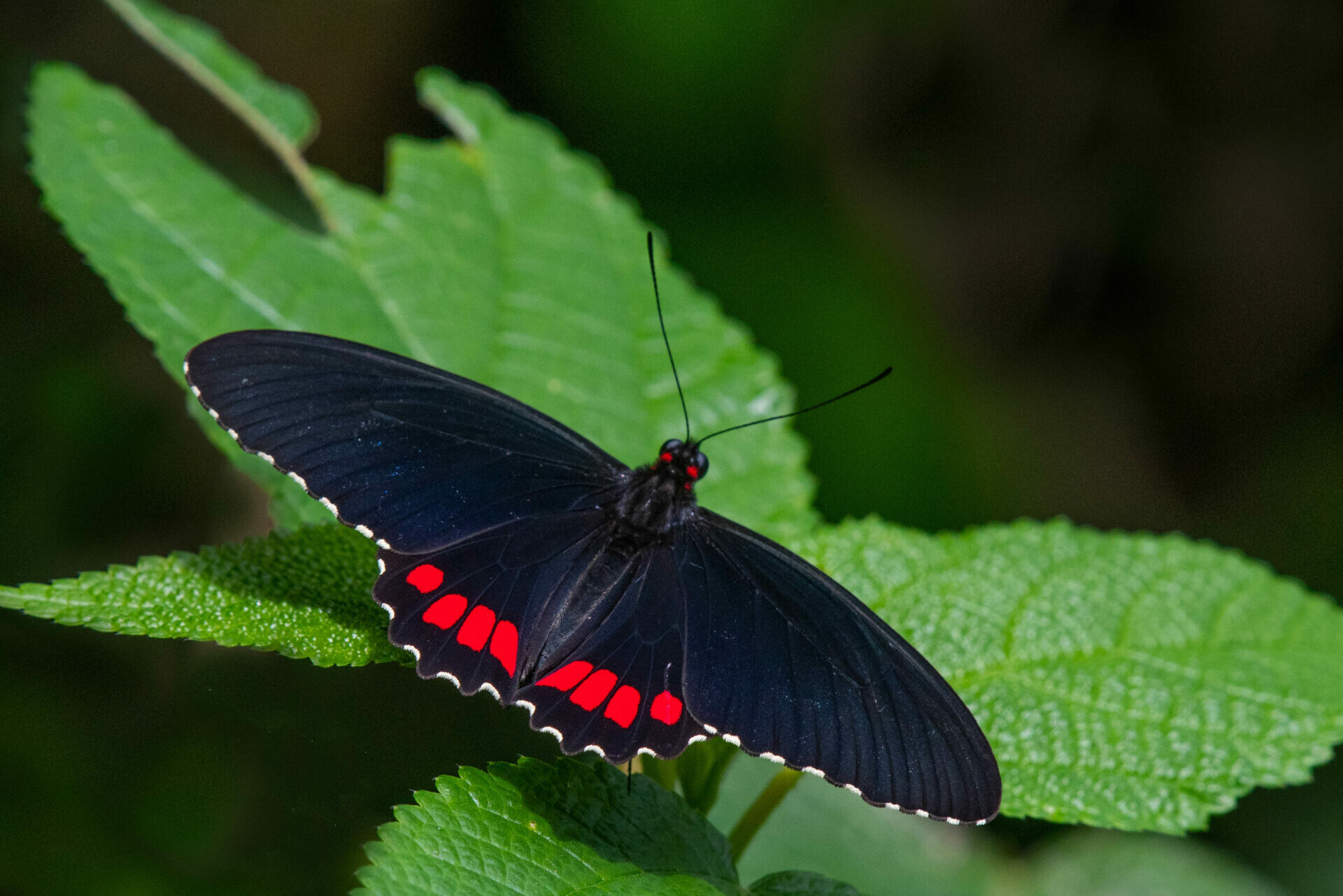
The Wilds of Southern Belize
Located in Eastern Central America, Belize shares borders with Guatemala and Mexico. From the crystal blue ocean waters and inland to the nearby mountains, it is amazingly diverse. Wildlife along the Southern coast, and nearby rivers, includes magnificent tiger herons, fast flyers like the cinnamon hummingbird and the peregrine falcon, and large swimmers like manatees and crocodiles. Traveling inland to the rainforest brings sightings of spectacular butterflies, birds, like the black headed trogon, but also mammals like the elusive jaguar and bands of coatimundi. Join us for a virtual trip to see some of the stunning wildlife of Southern Belize.
The Nature of the Maya World
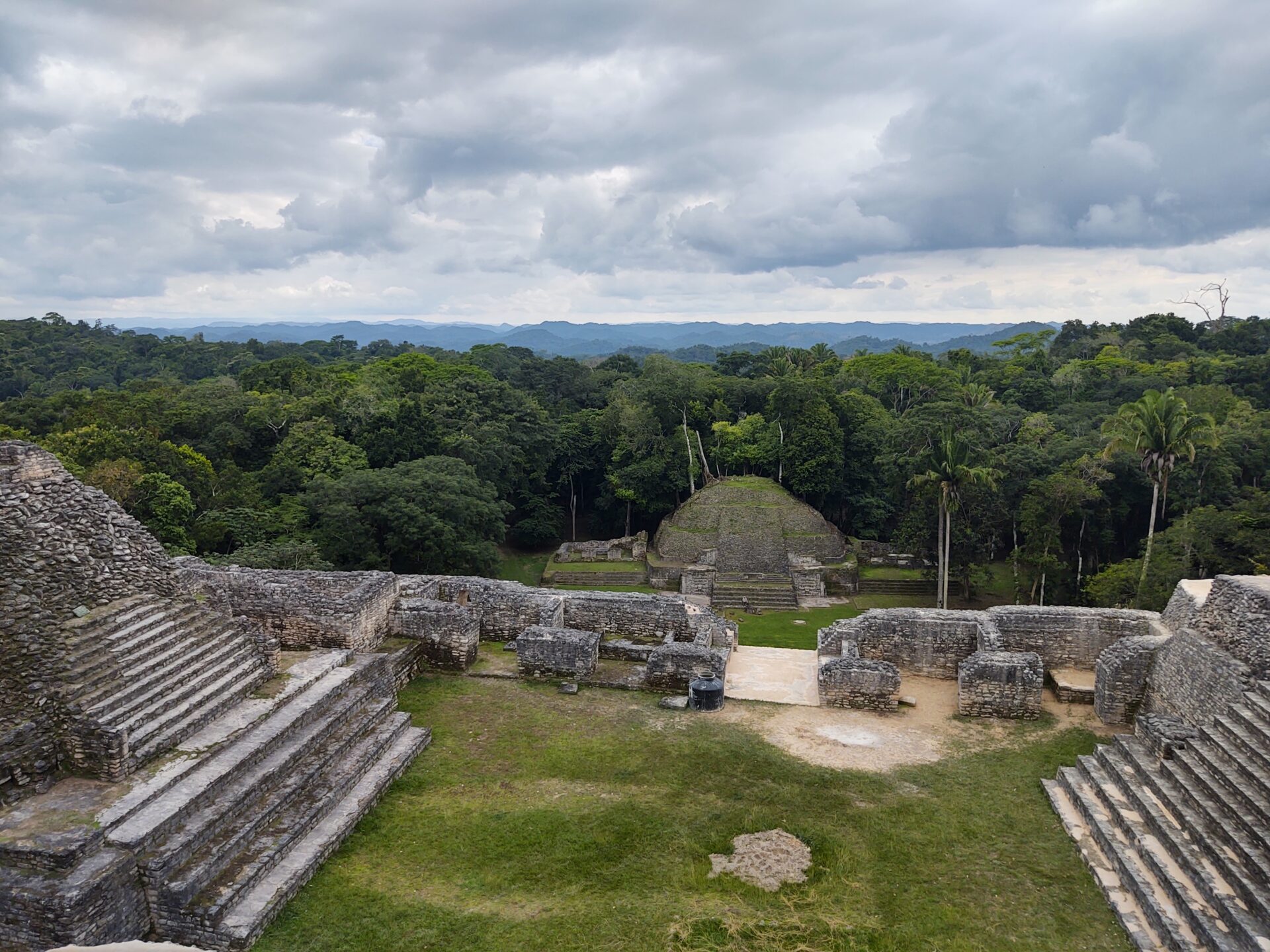
The Maya civilization originated about 2600 BC and was prominent in Mesoamerica in 250AD. The Maya were known for many things including their elaborate stone buildings which often contained carvings relating to their calendar system and hieroglyphic writing. See some of the ancient sites in Belize that can be visited today, from Caracol with its temples, to caves with ancient artifacts. Find out about the origination of an important aspect of Maya culture (hint: chocolate!), and how it came to be incorporated into our modern world. From iguanas and agouti, to birds like the keeled billed toucan and colorful parrots, learn about the wide variety of animals found in this part of Mesoamerica, and how the Maya incorporated many of them into their stories and intricate carvings. Ancient sites, and protected forests around them, still provide homes for many jungle species, such as howler monkeys, that can often be seen and heard while experiencing the wonders of the Maya.

Northern Baja Sur, Mexico: Gentle Giants, Diving Birds and more!
Baja Sur might not be known for its wildlife, but it should be! In the winter and spring, whale calves can be seen with their mothers as they explore sheltered bays. Gray whales on the Pacific side willingly approach people, seeing to allow visitor to babysit their calves. Smaller creatures can also be found across Baja. Many North American birds visit for the winter, from tiny hummingbirds to dramatically colored vermillion flycatchers. Many larger birds spend the winter here as well from egrets and herons to a variety of ducks. Dramatic wildlife scenes near Loreto include massive fin whales rising out of the depths for air, and blue footed boobies plunging into the ocean for fish. From tiny butterflies and birds to endangered marine life, Northern Baja Sur offers stunning images and wildlife just south of the border.
Beautiful Bahamas
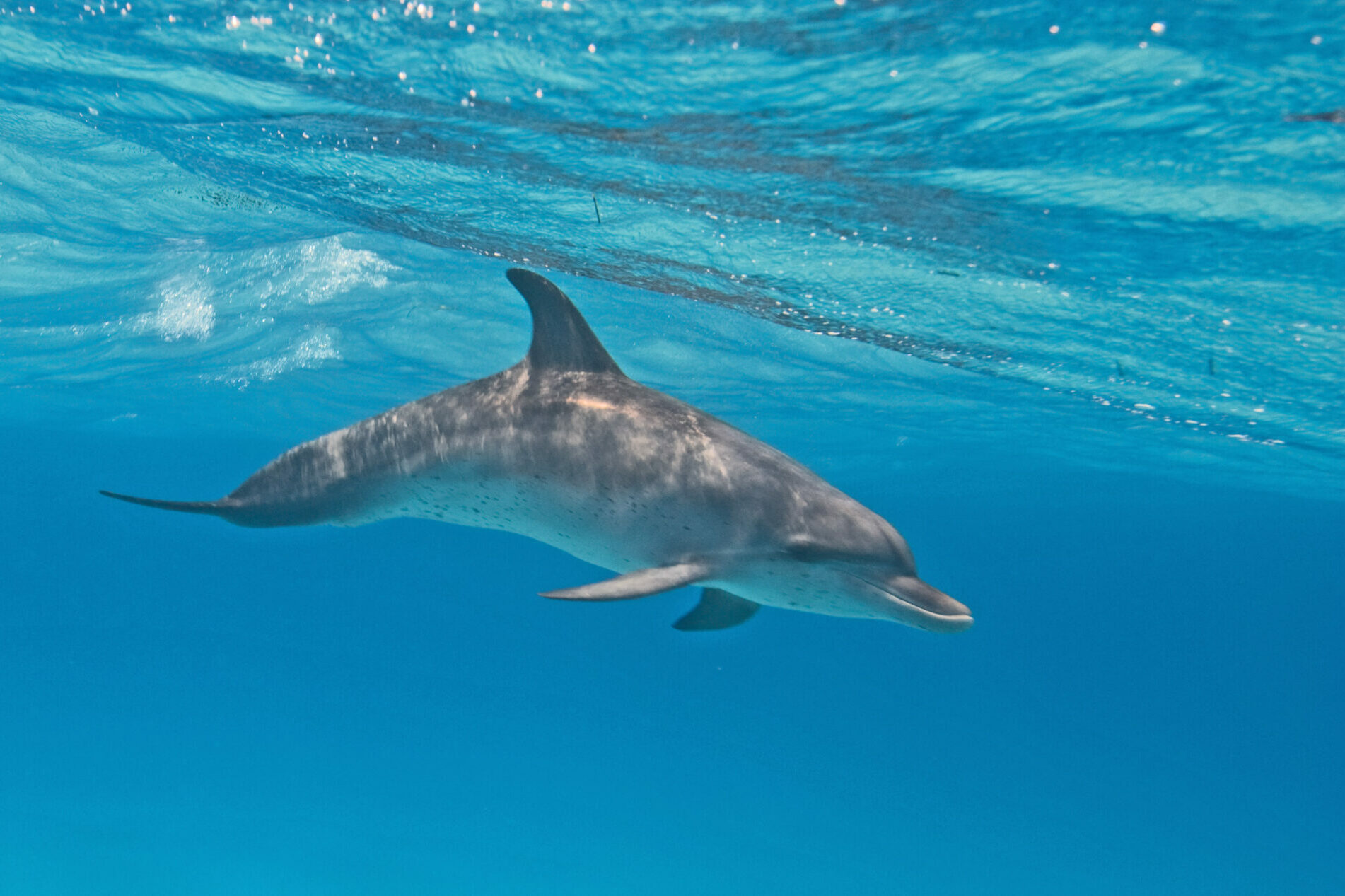
The Bahamas are a group of 700 islands, and many smaller islets, made from the remnants of coral reefs in the northern Caribbean Sea and Atlantic Ocean. Formerly a British colony, their economy has long been reliant upon the sea. The underwater topography, storms, and even the contested nature of the Bahamas between England and Spain in the 18th century have led to many shipwrecks in its waters. Today, the remains of some of these wrecks can still be found, now home to fish, octopus, turtles and other creatures. In addition, the Bahamas has realized the economic value of marine tourism and has protected much of its waters, including banning commercial shark fishing. Now divers have the opportunity to see lemon sharks, tiger sharks and even great hammerhead sharks up close in one of the few protected areas in the ocean for these amazing predators. See images of the beautiful marine life found in the Bahamas from wrecks full of fish to sharks and playful spotted dolphins and calves that love to interact with divers and snorkelers.
Southern Baja Sur, Mexico: Marine Giants-Humpbacks and Whale Sharks
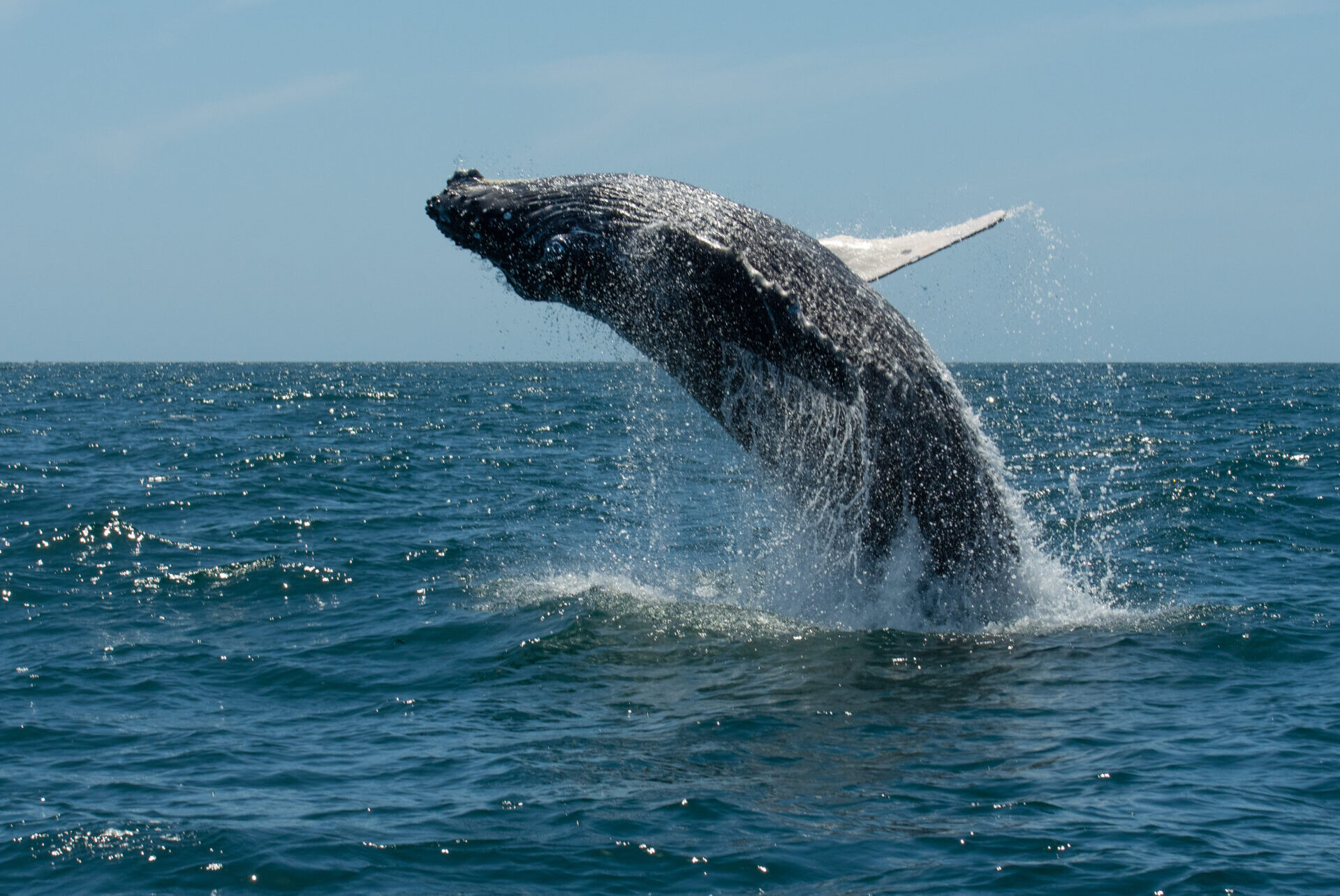
Marine mammal watching in Southern Baja Sur is full of drama! Humpback whales demonstrate their gymnastic abilities as they launch themselves into the air in the Southern Gulf of California. Travel a little north to near Cabo Pulmo where crested caracara can be seen along the road and endemic Xantus’s hummingbird, orioles and even butterflies can be found at a small oasis in the desert hills. In La Paz, visitors can swim with friendly California sea lions as they chase fish, and each other. But Baja is not just a place for marine mammals! It is the home of the biggest fish in the sea. Whale sharks, seasonally visit the waters near La Paz where snorkelers can see these amazing bus-sized fish up close. Baja is truly a land of marine giants, and so much more.
Europe & Canada: Nature and History
Booking/Questions
The Netherlands: Land of Wind, Water and Wildlife
To many, windmills are the iconic symbol of the Netherlands. For many centuries, the Dutch have controlled the flow of water with dikes and windmills in order to reclaim land from the sea. In more recent years, they have added vast storm barriers to protect their population from stronger storms and higher seas. While much of the land is engineered, there have been great efforts to protect the nature that remains. From year round and migratory birds to mammals, butterflies and flowers, signs of nature can be found in surprising abundance across the grasslands, forests, wetlands and seashores. Join us for a tour of the history and amazing wildlife of the Netherlands.
Return to Top
Wales: Castles, Butterflies and more
Although part of the present day United Kingdom, Wales is a country of ancient origins and wild lands. Stone monuments from its pre-historic past still can be found across parts of the country today, along with ancient castles, remains of magnificent abbeys and even Roman ruins. The wild nature of this land can also be found in abundance, from the beautiful and colorful moors and butterflies of the Isle of Angelsea to the numerous birds and other wildlife of the coastal wetlands. More inland, the magnificent Kite can now be found again soaring as it looks for prey. Join us for castles, butterflies, birds and much more in a journey across Wales.

Adventures in Nova Scotia: Exploring History and Nature
Learn about the history and nature of Nova Scotia, as well as its long ties to New England. See how farming has changed in the Annapolis Valley from the unique techniques of the earliest French settlers of Grand Pre, now a UNESCO World Heritage site, to the vineyards of today. Visit the historic port and homes of Yarmouth and learn about the “Age of Sail” and the role it played in the 18th and 19th century as people traveled back and forth to the US. Wildlife also migrates back and forth between our two countries. See birds and butterflies in ancient fields and seals and seabirds along the rugged coast that is dotted with picturesque lighthouses even today. Enjoy a virtual visit to our neighbor to the North.
United States: Alaska, Pacific Coast and Southwest
Alaska, Bears and Beyond
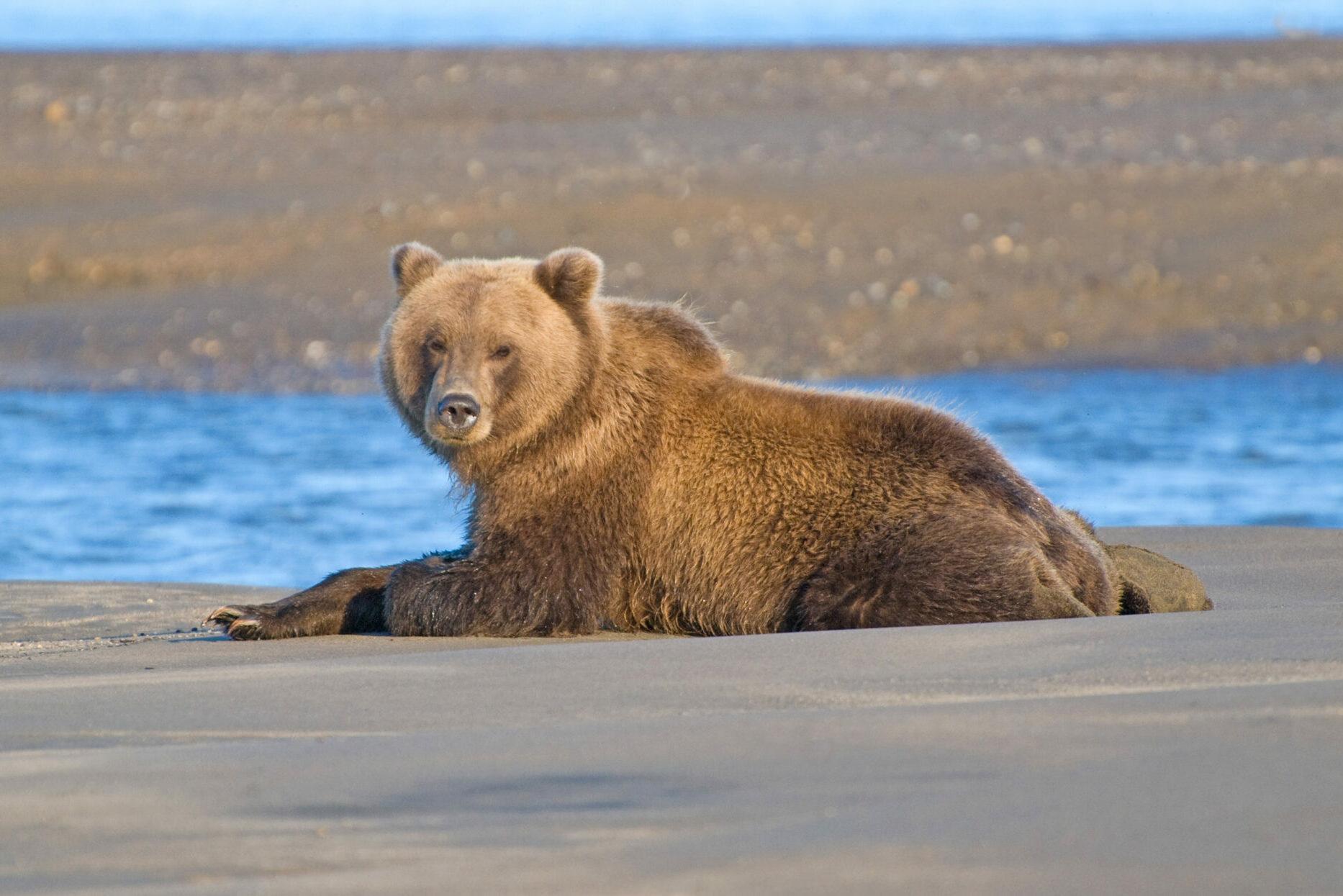
Alaska is often regarded as a last frontier and one of the last places to see numerous large wildlife. Through the Kenai fiords, small boats allow close access to thundering, calving glaciers, breaching humpback whales, dozing Steller sea lions and playful sea otters. Along the way bald eagles, puffins, murres and other sea birds abound. Accessible only by bush plane, the ocean beaches of the Lake Clark National Wildlife Refuge are a little-known area for brown bear viewing. In this open landscape, brown bears can be easily observed fishing, playing, napping and raising their young. Just north of Anchorage, the landscape shifts between fertile valley fields and the majestic views and crystal-clear streams of mountain glaciers. Join us as we tour parts of this diverse state now experiencing increasing change in the modern world.
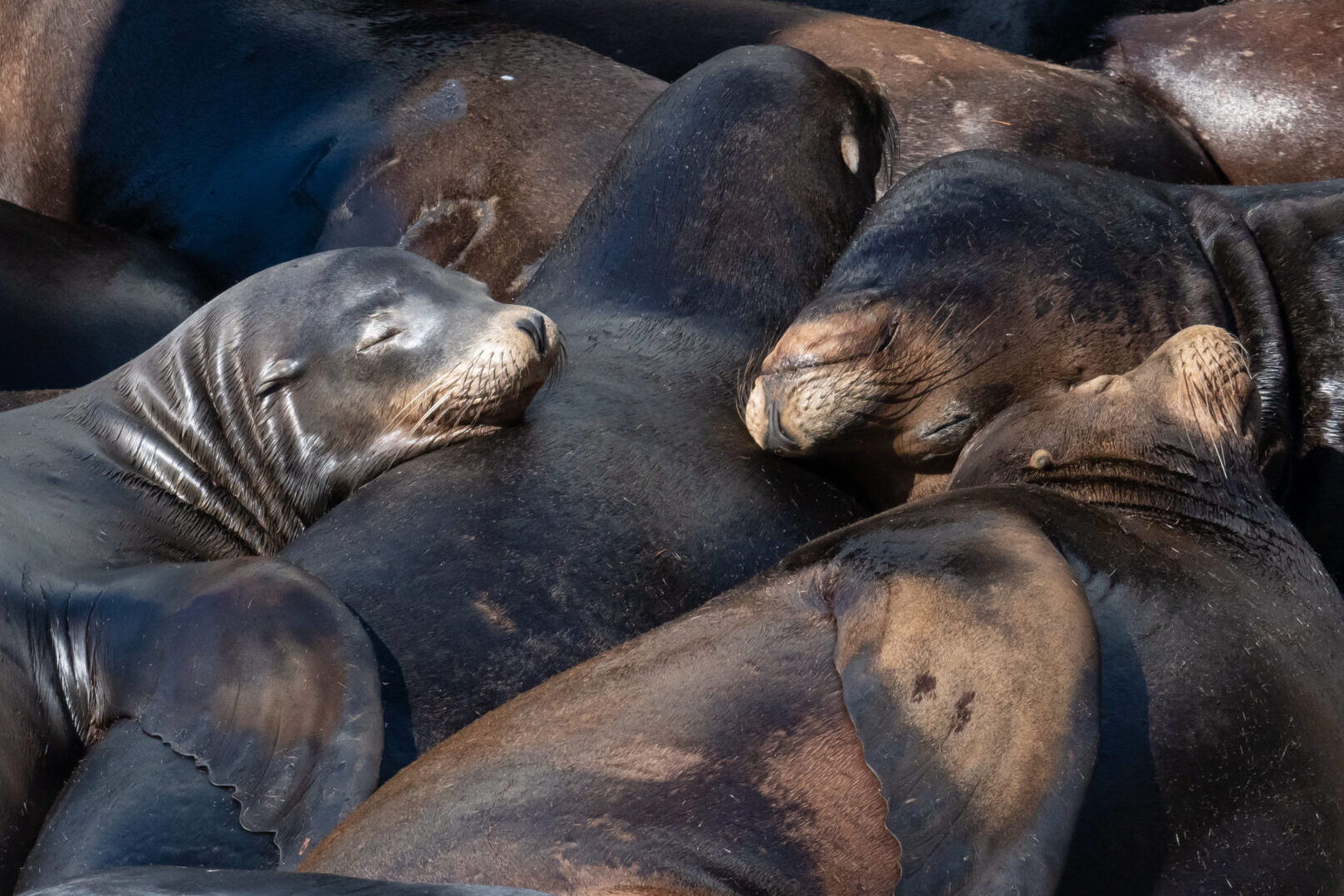
From Roses to Redwoods: A Journey Along the Pacific Coast
Oregon is well known for its rose gardens, but also for its beautiful and rugged coast. Travel through the Willamette Valley and the coastal mountain range to Newport and the scenic Oregon coast. From sea anemones in the tidepools to seals and sea lions hauling out on the rocks or frolicking in the waves, there is much wildlife to see. You might even see gray whales in the water! Travel a bit further south to the Rogue River where a scenic boat trip can lead to bald eagle and even river otter sightings. Starting in southern Oregon and into northern California, this temperate rainforest is also home to the coastal redwood, some of the largest trees in the world. Learn about these majestic trees and some of the wildlife that can be found nearby. Explore the beauty and wildlife of this part of the Pacific coast.
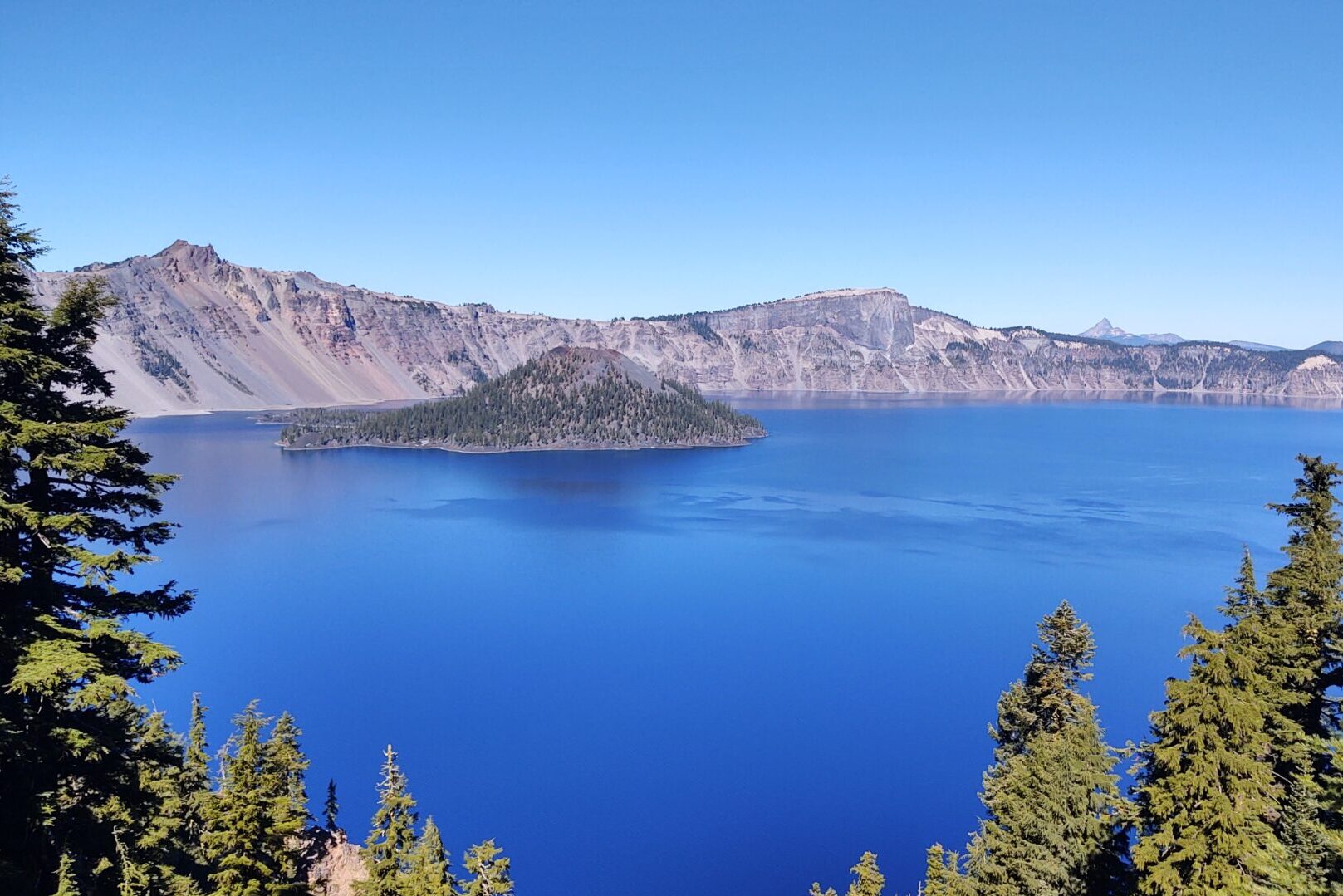
From Volcanoes to the Columbia River: A Journey through Time and Nature
The Pacific Northwest is known for its mountains, but visible volcanic activity in the area dates back many millions of years and continues into the present. While providing dramatic landscapes, these areas are also known for a long history of native inhabitants and for the wildlife that can be found nearby. Mountain chickadees and Steller’s jays can be found flying around Crater Lake, the deepest lake in the US, while ground squirrels scamper among rugged and ancient lava flows in the high plains desert. Some, like Mt Hood reveal snowcapped peaks and waterfalls like Multnomah Falls, while on the other side of the Columbia River, Mount St Helens still shows signs of the 1980 eruption as well as the return of plants and animals. Join us for a journey through time from the mountains to the high plains of Oregon and Southern Washington.

Exploring the Sky Islands
The Sky Islands of Arizona are among the most diverse ecosystems in the world and contains the highest biodiversity in the US. Due to their rapid elevation from the desert below, some areas remain temperate even on the hottest summer days. It is this variety of climate zones, from desert to tropical and temperate climates, that support a vast range of wildlife. This diversity includes over half the bird species of North America, 29 bat species, over 3,000 species of plants, and 104 species of mammals. From the brilliant feathers of the elegant trogon and the camouflage of the tiny whiptail lizard to the striking pattern of the Arizona sister butterfly and the agile coatimundi with its long furry tail, the Sky Islands have many creatures that are rarely seen. See images of some of these rarely seen creatures and learn about current challenges to these Sky Island ecosystems from climate change to invasive species and more.
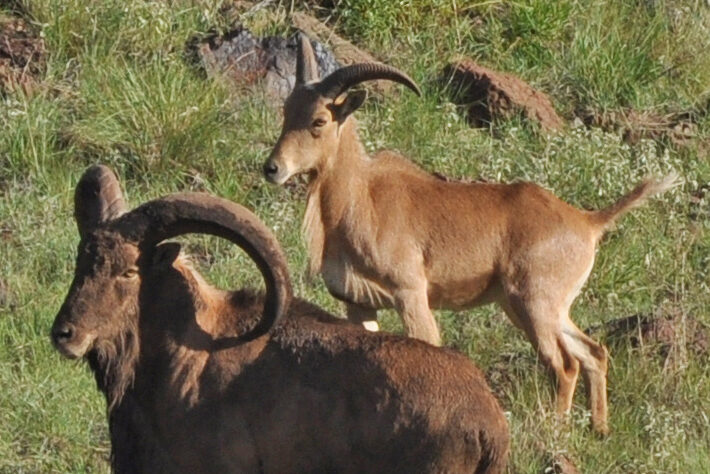
Beyond Big Bend
Southwestern Texas is known for wide open spaces, cattle ranches and even a well-known National Park, but just outside the borders of Big Bend there are still many things to see in the Chihuahua Mountains and nearby. Summer rains bring life to the desert as flowers seem to pop out everywhere. In the hills and lowlands, wild animals of all sizes can be found. From mountain sheep to hummingbirds, big cats and wild javelina, there is much to see beyond Big Bend.
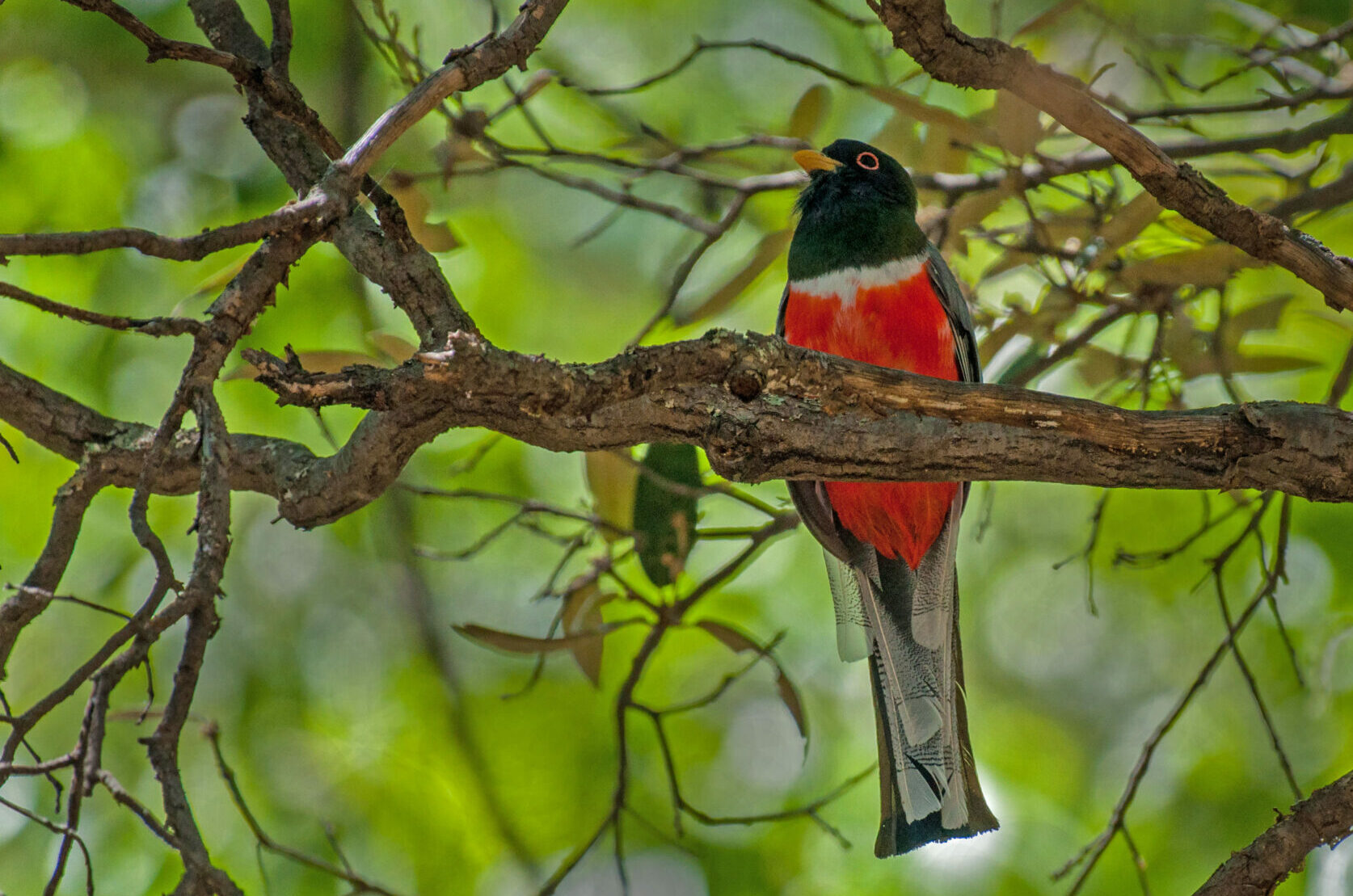
Chiricahua Mountains, Wildlife Oasis in the Desert
On the Arizona-New Mexico border, just north of Mexico, lies the Chiricahua mountains and the valley below. This unique geological area is steeped in Native American history, from ancient days through to the time of the Apaches, like the famous Geronimo. In the mountains, signs of native people can still be found to this day. Due to the widely varied habitats, including a wide range of elevations, this area is also a birding hotspot with 375 known species including the elegant trogan and numerous hummingbirds. In addition to birds, the dramatic summer monsoons bring out many species of frogs, wildflowers and butterflies. Not to be forgotten, this area is also known for reptiles including the only species of venomous lizard found in the US, the gila monster. Come with us for an exploration of the diversity of this amazing area.
Return to Top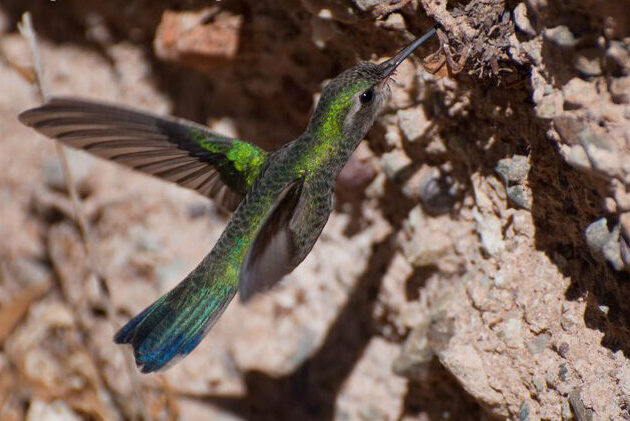
Magical Tucson:
Hummingbirds & More
Southern Arizona, only 60 miles from the Mexican border, appears at first glance to be only a mix of rugged mountains and barren desert. However, life teems in this area when you look closer. Tiny hummingbirds can be found calling for mates and nesting in shrubbery, while giant saguaro cactus provide homes and food for a variety of bird life including cactus wrens. Animals including venomous gila monsters, road runners and even mountain lions have adapted to survive in this challenging environment. Just north of Tucson is the unique experimental site Biosphere 2. Here a closed environment allows scientists and students to study biological systems including rainforests, oceans, savannahs, grasslands in an effort to better understand the workings of these ecosystems.