Learn More about Local Wildlife!
Booking/InformationWildlife programs for every season. Great for Garden Clubs, Seniors Centers and Libraries!
Programs can be also customized to the audience such as for all ages/families
See Live Animal Programs for more family options
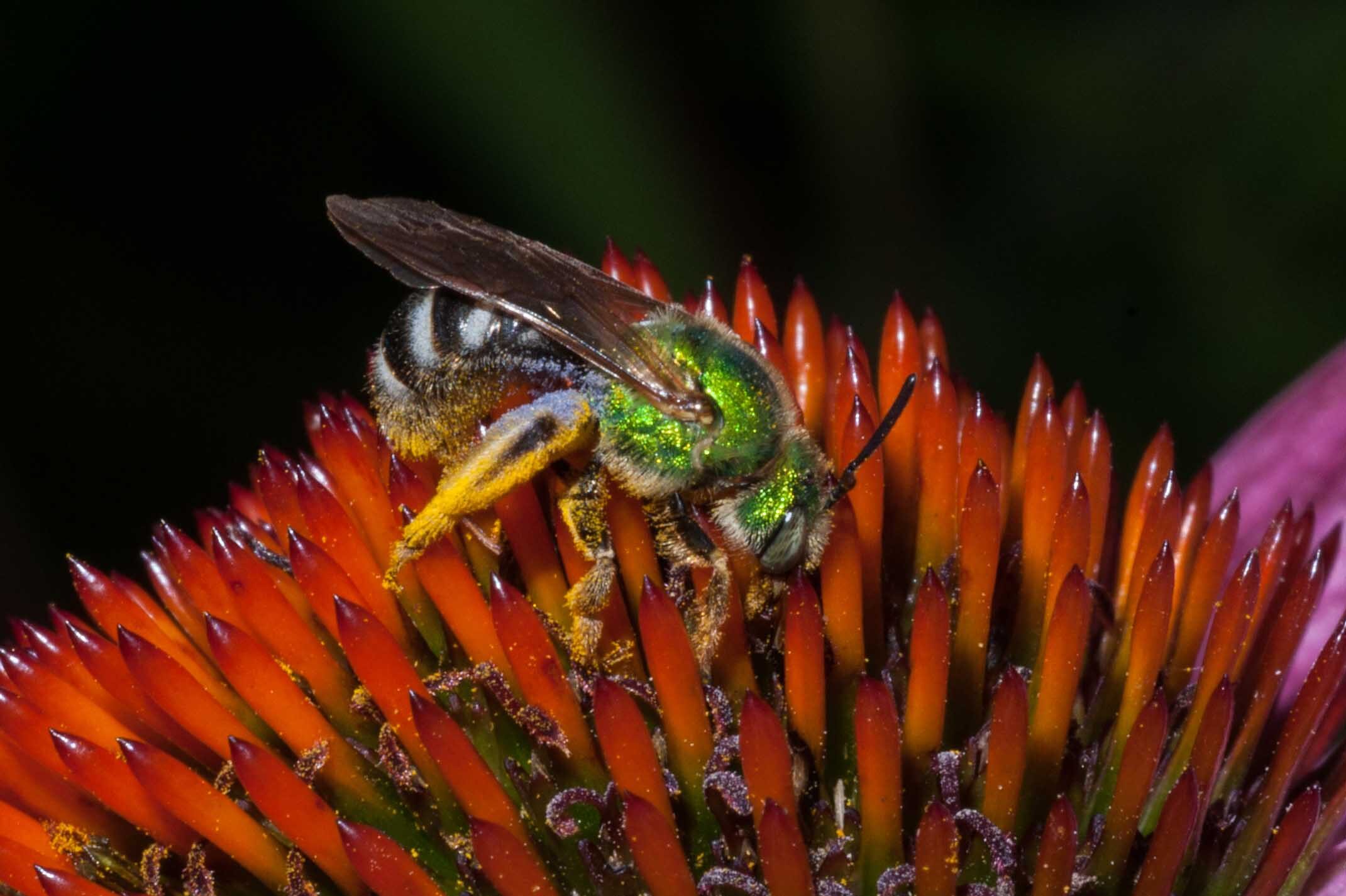
Our Essential Pollinators
Far beyond the non-native European honeybee, learn about our native New England pollinators and the important role they play with our native plants. Bees, butterflies, beetles and other insects all provide essential pollinator services while visiting our apple orchards, backyard gardens and many other flowering trees and plants. Take closer looks at some of our smallest and hardest workers.

Beautiful Butterflies
From the large Eastern tiger swallowtail and colorful monarch to the tiny spring azure, there is a huge range of size, color and patterns in New England butterfly species. What makes a good butterfly habitat? How do you attract more of these beautiful animals? Find out more about our local butterflies and what brings them to our neighborhoods. Experience the sights of some of our most beautiful seasonal creatures!
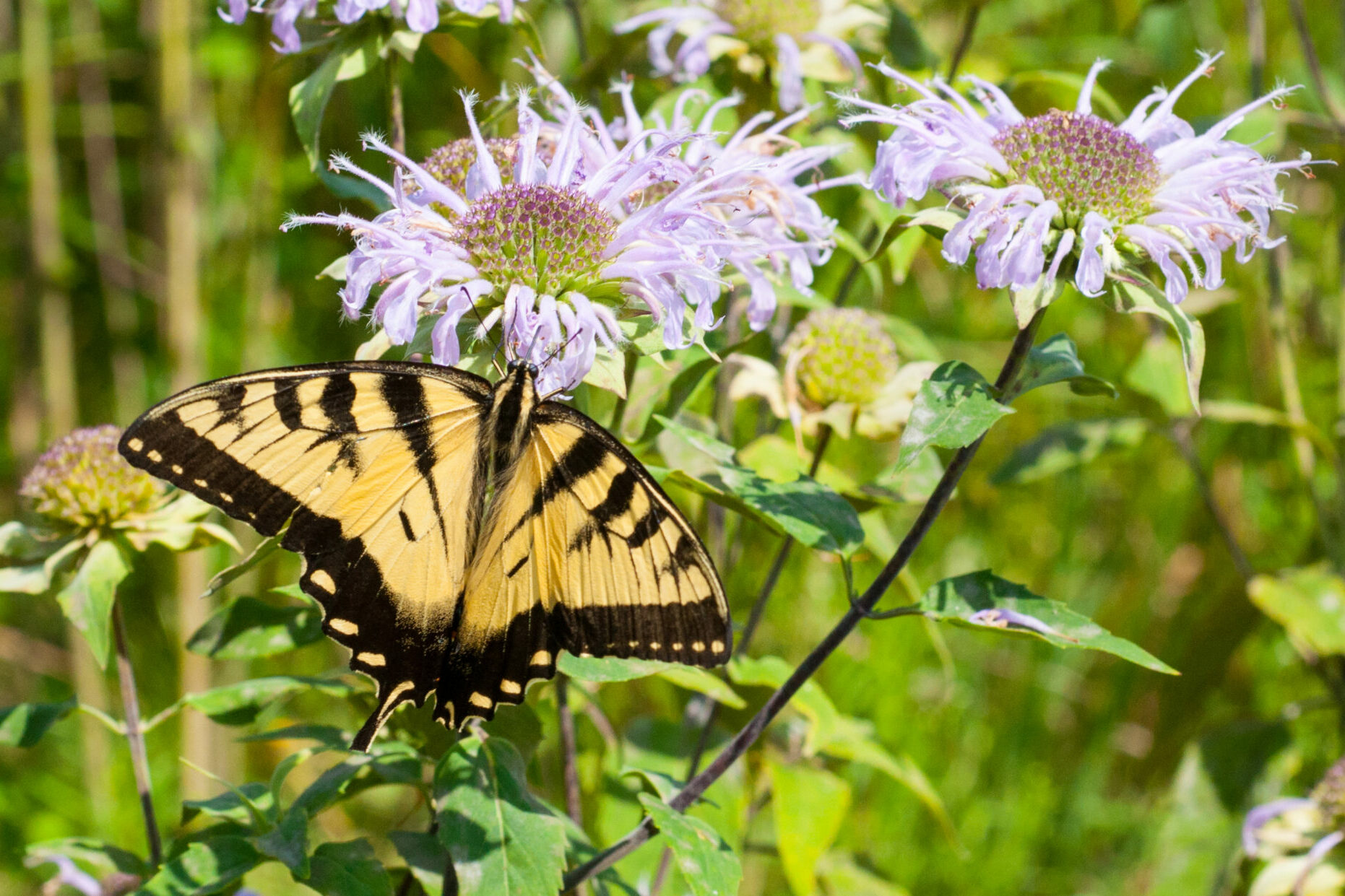
Native Plant Gardening for Wildlife
Are you a butterfly or bird lover? The best way to attract local wildlife to your yard is to plant native plants! Animals need plants for many reasons including shelter and food. Many even have preferred food plants, so “if you plant it, they will come” in many cases. Learn how gardening choices can help you turn your garden into your own wildlife sanctuary.

Dragonflies, Damselflies and Spreadwings: Beautiful and Beneficial
What is the difference between a dragonfly and damselfly? What are they doing in our yards? How do you tell males from females? Enjoy beautiful images of these animals and learn more about these amazing flyers and how their presence in our neighborhoods can benefit all of us!
Backyard Wildlife
Learn about the wide variation of animals in our own local area!
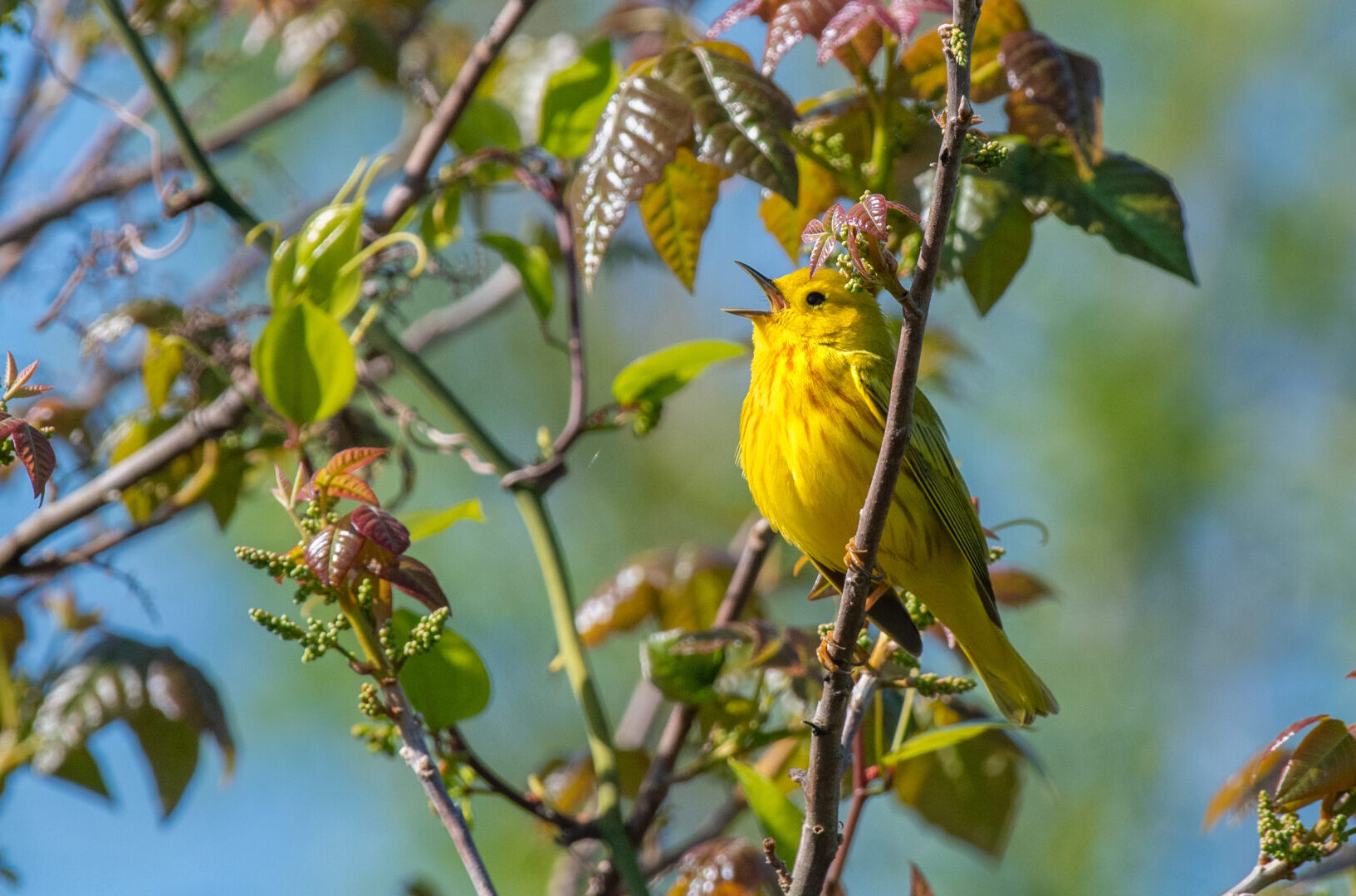
New England Birds in Spring: It’s All About Showing Off!
In the spring we may both see and hear many birds during their busy nesting season. Some have come back from the south, like warblers and swallows, some have been here for the winter. Learn how warblers, orioles, scarlet tanagers, ospreys, and many other birds, show off their colors, songs and more each season and what it takes for them to raise a family each spring.
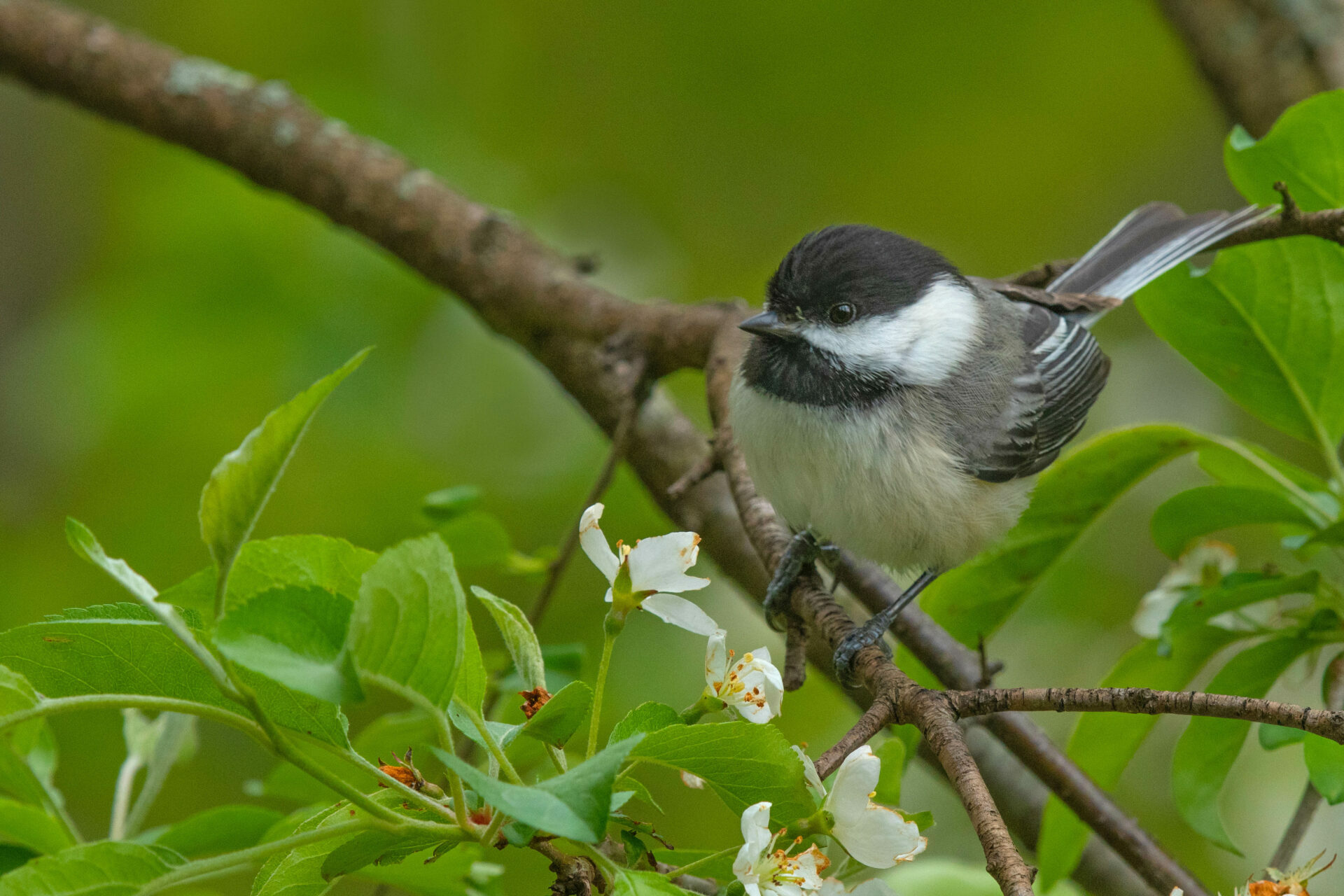
Birds in Your Backyard
A wide variety of birds may visit backyards in the Greater Boston area. What makes a good backyard habitat? How do you attract those beautiful birds? Who is coming and who is going this time of year? Come find out more about our local birds, as well as occasional visitors, and what brings them to our neighborhoods. Experience the sights and sounds of some of our most beautiful neighbors!

Wildlife in Your Backyard
From dragonflies and butterflies to birds and mammals, a wide variety of animals may visit area backyards. Which animals are you most likely to see in fall and winter? Which animals are seen more often in spring and summer? Come find out more about our local wildlife, as well as occasional visitors, and what brings them to our neighborhoods.

Backyard Mammals
There is a wide range of mammals found around New England, from the woods, fields and suburbs to the seashore. From the shy fisher to the comical chipmunk, rabbits, foxes, deer, coyotes and even black bear might visit neighborhoods, sometimes under the cover of night. Learn about mammal behavior, tracks and signs to help figure out who is in your neighborhood!
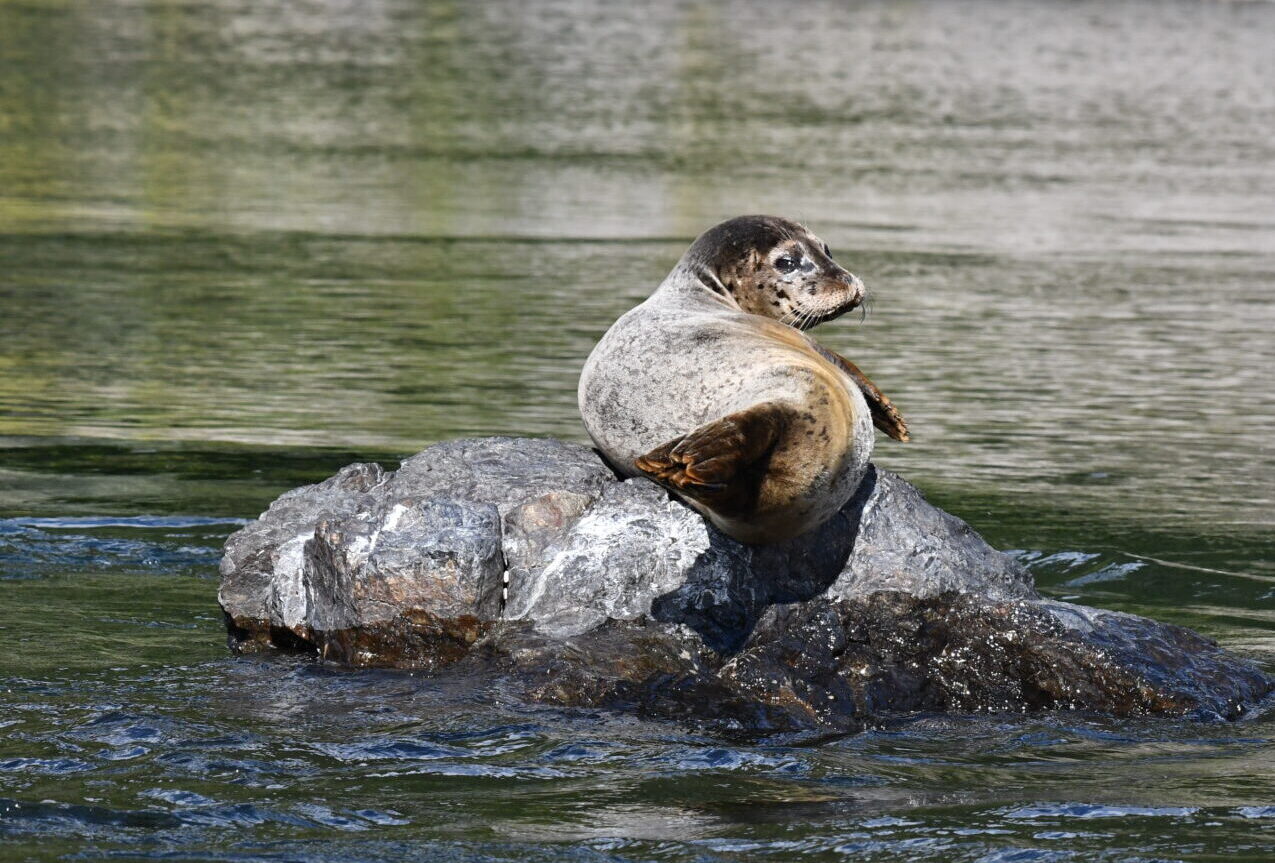
Mammals of New England
Learn about our backyard mammals and beyond! Explore the wide range of large and small mammals from bobcats, bears and porcupines to chipmunks and more. But don’t forget marine mammals along our shores! There one might see harbor, gray or even harp seals. Off shore watch for even larger mammals like humpback whales, right whales, porpoises or dolphins and how to tell them apart.
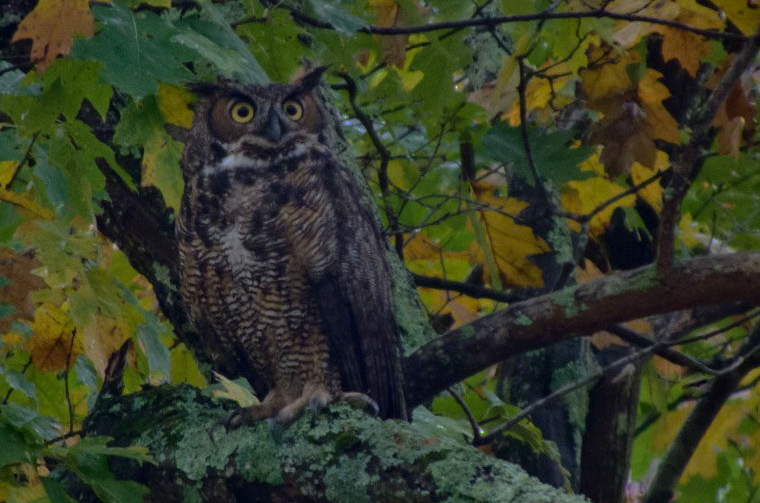
Secret Lives of Forest Animals
Learn about some of our forest animals here in New England! From birds to mammals, how do they spend their time in different seasons? What special adaptations do they have to survive? How do they find food and avoid predators in the forest? Come find out what they do when people are not around!
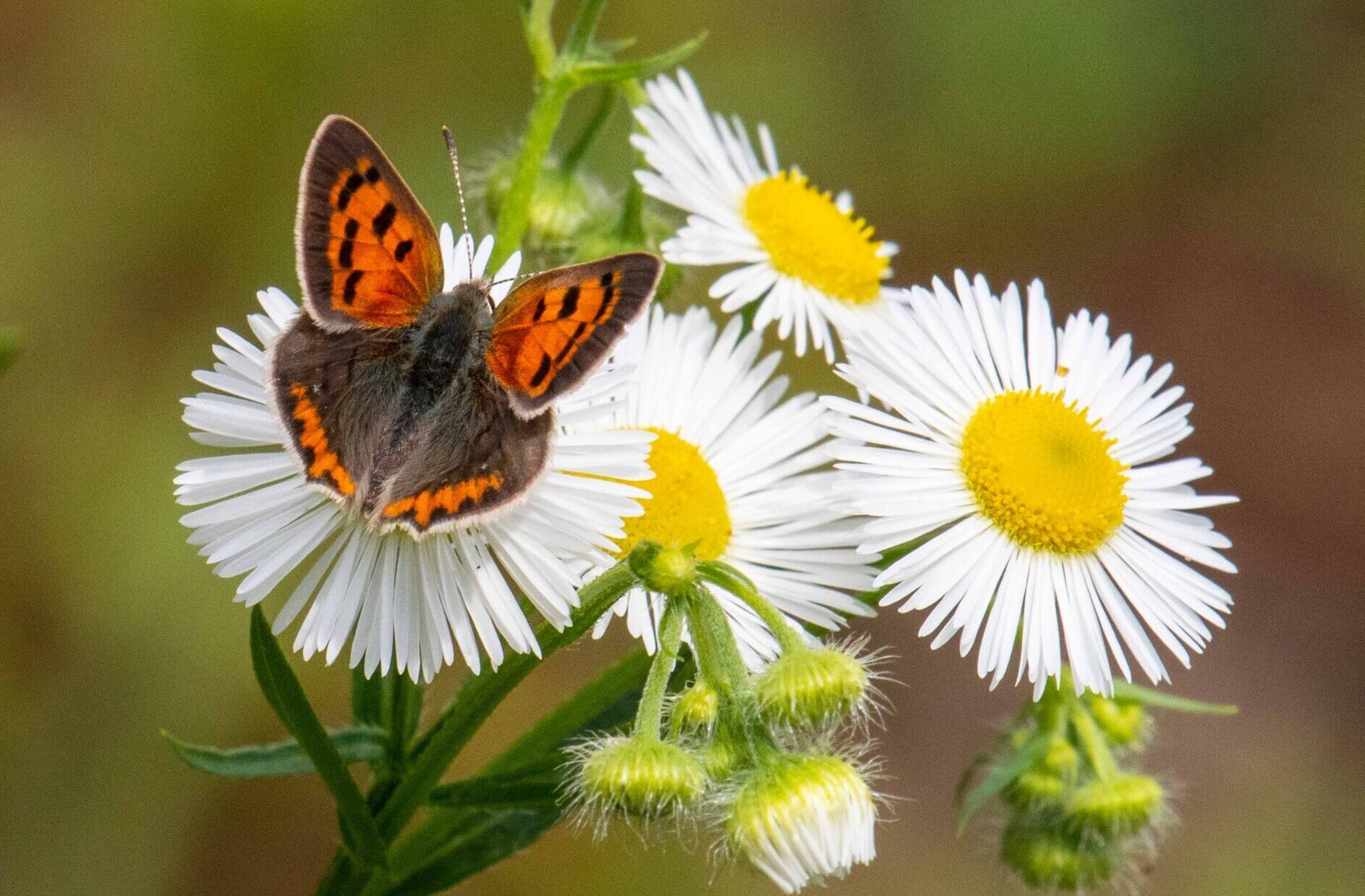
New England Animals in Spring
As the weather warms, wildlife is changing too!Mammals may emerge from the forest to look for food after a tough winter. Reptiles may be seen sunning, while frogs and salamanders return to seasonal pools to lay eggs. Many birds are also changing their behavior, singing and looking for partners and building nests. Learn more about some of our many spring wildlife changes. Lecture or Live Animal Hybrid Available
Reptiles and Amphibians
Some presentations can also include live animals if requested.

Turtles of New England
Learn about our local turtles here in NE from tiny musk turtles to our seasonal sea turtle visitors. Which species nest here? When do turtle eggs hatch? Find out how varied turtle shells can be and learn about the amazing adaptations of these reptiles that allow them to survive their habitats. Learn about these amazing animals and how you can help some of our most endangered turtles.
Live Animal Hybrid Available for some up close and personal time with real turtles!

Reptiles of New England and beyond
Learn about reptiles from MA and beyond with fresh water turtles, lizards and snakes! What is the difference between a turtle and tortoise? Are there any local lizards? Are snakes really slimy? Learn about the amazing adaptations of reptiles that allow them to survive their habitats and how many of them are beneficial to us!
Live Animal Hybrid Available!
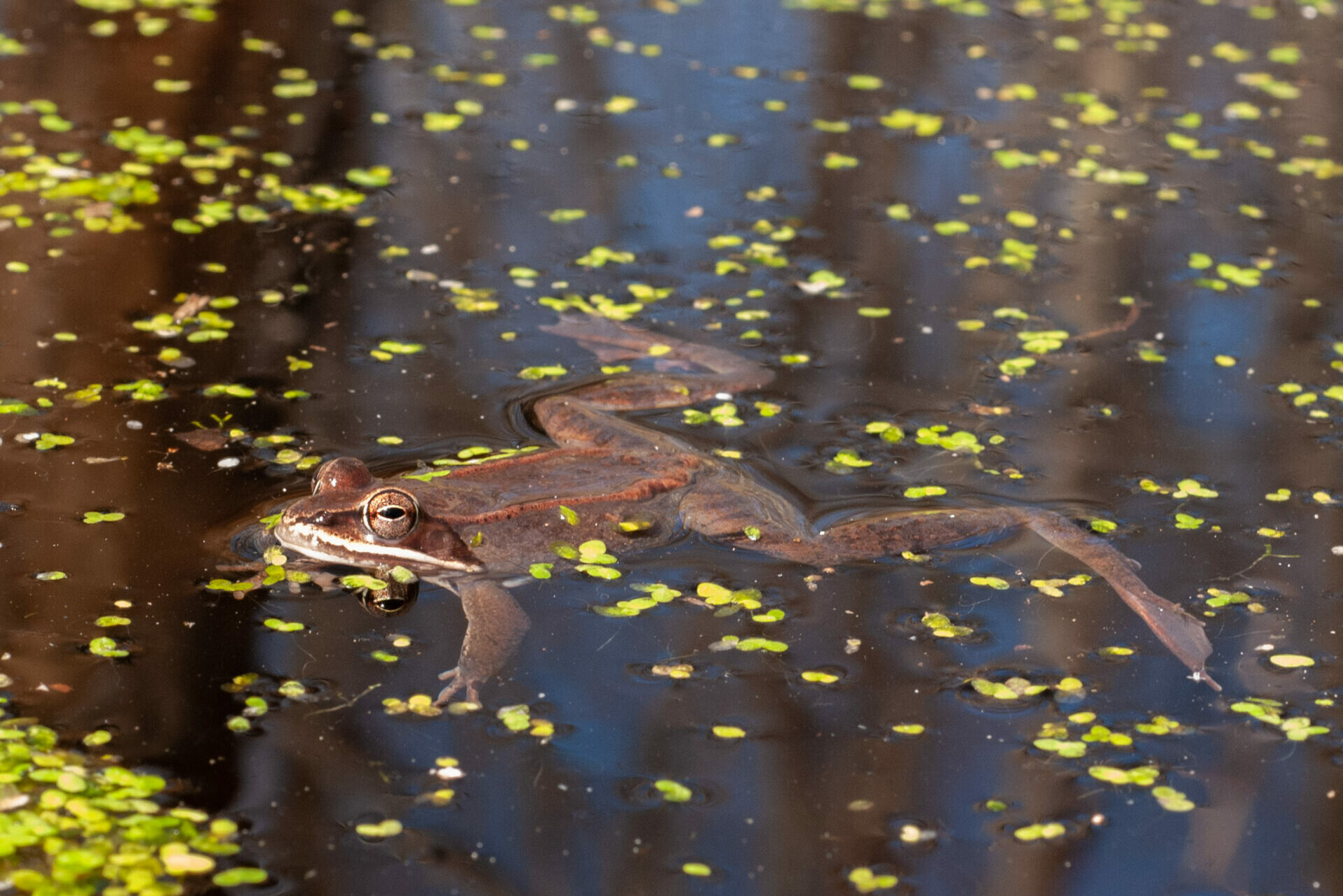
A Seasonal Springing to Life: Vernal Pools and their Wildlife
What is a vernal pool? It is an essential seasonal habitat for many species from salamanders to wood frogs and many other species. Learn about these seasonal pools and the many creatures that might inhabit them during the year.
Live Animal Hybrid Available!

Fabulous Frogs and Salamanders
Learn about our amazing amphibians! From our tiny spring peepers to our striking red eft, there is a wide range of amphibian life we can find in the Northeast. Find out which frogs have the strangest calls, and which have the most amazing adaptations to survive cold weather. See how many species you can recognize!
More wildlife topics
Learn about some of our most mysterious creatures!
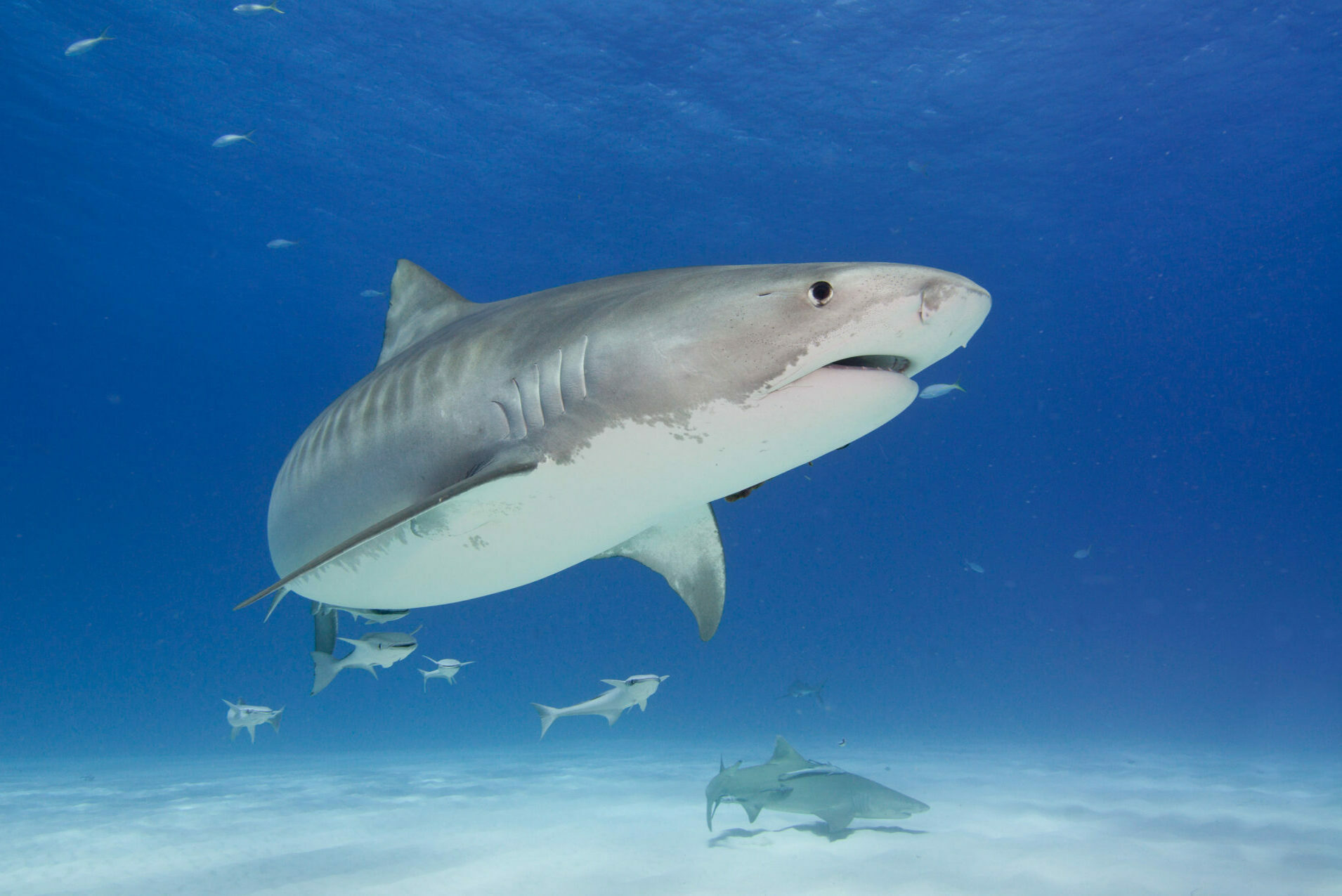
Fintastic Sharks and Rays
Sharks and rays are ancient and amazing animals. How large were the teeth of the pre-historic megalodon shark? How does a shark find its food? Do sharks always need to keep swimming? What important roles do they play in our oceans? These animals are often portrayed negatively in the media, but what is it really like to be under water diving with them? Learn what makes sharks and rays such amazing animals through images from around the world, including great white, great hammerhead, tiger, lemon, whale sharks and manta rays.

Creatures of the Night
From bats to fireflies, frogs and more, learn about the animals that come out in our neighborhoods at night. Many of these animals include important predators, such as bats, frogs and owls, and help us unseen under the cover of darkness. Some of these animals, such as fireflies, are also under threat. Learn what you can do to help these amazing creatures of the night!
Can be combined with Creepy Crawlies for a hybrid Live Animal option

What’s Living In Your Cupboards …And how to help get them out!
A snake or salamander in your basement, a bat in your attic or a ladybug in your livingroom-why are wild animals coming into your house? Learn about these and many more species and how to safely get them out of your house and back into the wild!

Research & Misconceptions about Snakes
There are many misconceptions about snakes, especially venomous species. Many people have negative impressions of snakes from media, but working with them in the field shows that there is still much to learn about these fascinating animals. Learn about Joy’s first hand work with several different snake research projects, including some here in New England, as well as techniques used by field teams. Hear about some of their discoveries and the important role these predators play in the wild.
Testimonials
A few words about Joy’s Nature talks
I highly recommend Joy for informative, educational and entertaining nature programs from the local perspective. Not only will you enjoy her narrative and learn from her vast knowledge but you’ll marvel at her photographs. Easy to work with, Joy can easily tailor her programs to suit your audience needs.
Fran Daneault
Bacon Free Library
Joy is one of my favorite presenters, a fan favorite at the Needham Senior Center and now a fan favorite via Zoom. She is fun, witty, very smart, very informative, and has great photos and even live animals. Her presentations are just wonderful and she has such a great variety of programs! I cannot recommend her enough. Her pricing is also perfect to be able to bring her back frequently.
Aicha Kelley
Center at the Heights
Needham Council on Aging
Naturalist and photographer Joy Marzolf is a speaker I have worked with as part of my professional position as a librarian. I organize and host a wide variety of virtual programming for adults and families for the Milton Public Library. Ms. Marzolf is a very well organized presenter, is so personable, and she keeps each program fascinating with detailed facts and insights about the animals and plants of the natural world. I have had very good attendance at Joy’s Zoom events, and my participants have given much positive feedback to me about the extensive knowledge she teaches them about each topic. Our audiences continue to be delighted by Joy’s positive and enthusiastic stage presence and by the beautiful images she shares with them. I warmly recommend these nature programs to all.
Jean Hlady
Milton Public Library
I was so pleased with the Backyard Animals program that you gave on Zoom for the Concord COA. The knowledge and enthusiasm you bring to your presentation is outstanding. I have received several calls and emails from seniors who attended to tell me how great it was, and that they are looking forward to next month’s talk. To her credit, not one senior left early – and that’s a huge complement!!
Tina Close
Concord Council on Aging